

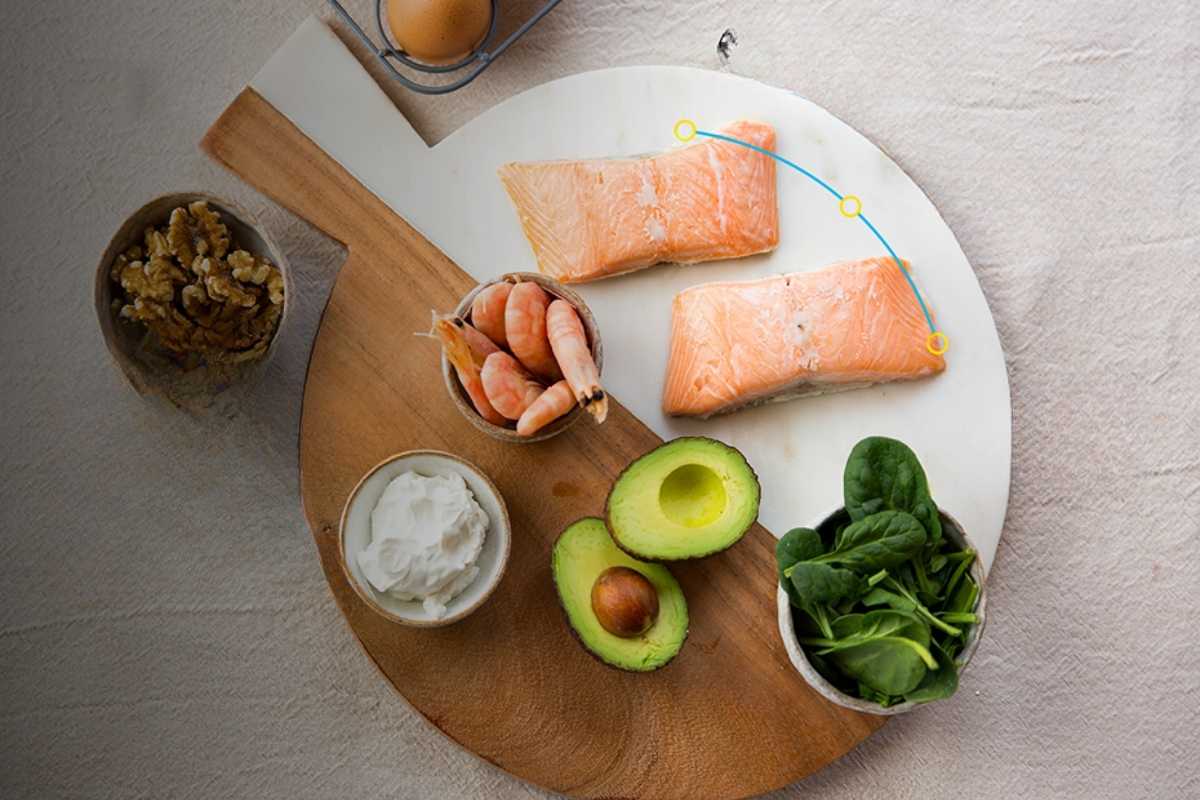
Keto and low-carb diet are popular among people, especially those trying to lose weight quickly. A change is happening, i.e., “Keto Diet vs Low-Carb Diet” among fitness enthusiasts, who are seriously analysing the trend. Although many people think these concepts are similar or one type of diet, we will tell you that they are different on many levels.
Why do people choose a low-carb or keto diet? – Most people choose a low-carb or keto diet for various reasons, including weight loss, improving concentration, and controlling blood sugar levels. The keto diet is primarily known for its effects on specific health conditions, while the low-carb diet is more suitable for those looking for a more flexible slant to health and wellness.
Before we get into the details, let’s clear the basics!
What is the Keto Diet?
The ketogenic diet is considered a diet that includes high amounts of fat, low to moderate amounts of protein, and very few carbohydrates. It is a diet typically rich in foods such as cheese, butter, eggs, meat, nuts, seafood, oils, and seeds. It does not include many vegetables, fruits, potatoes, sweets, and other carbohydrate-rich foods.
Macronutrient Ratios: Typically, the keto diet macronutrient ratios include 15-20% protein, 70-80% fat, and only 5-10% carbohydrates, which equates to about 20-50 grams of carbohydrates regularly. This level of restriction requires strict adherence to the diet to maintain ketosis.
What To Eat And What To Limit?
When we talk about choosing a strict keto diet, the recommended foods may be:
- Egg, Fish & Seafood
- High-fat dairy products
- Meat and poultry
- Non-starchy vegetables
- Nuts, Seeds, & Healthy Oils
- Berries
On the other hand, the keto diet should limit the intake of starchy vegetables and fruits high in sugar, juices, sweetened yoghurt, sugar of any kind, and baked goods, including gluten-free bread, chips, crackers, etc.
What is a Low-Carb Diet?
As the name suggests, a low-carb diet involves eating far fewer carbohydrates than standard dietary guidelines recommend. When following a low-carb diet, it is always recommended to choose complex carbohydrates such as beans, vegetables, whole grains, and prim vegetables, as these will provide you with plenty of fibre and protein, healthy fats, and lean protein from lean meats, poultry, and fish.
Recommended Carbohydrate Intake: Carbohydrates can vary in amount, but most low-carb diets recommend consuming 50–150 grams of carbohydrates daily. This tactic allows for a wide range of diets and can be tailored to suit individual needs.
What To Eat And What To Limit?
When following a low-carb diet, you need to make sure you are getting enough calories and nutrients, and you can choose low-carb foods such as:
- Lean meats, such as sirloin, chicken breast, or pork
- Fish & Eggs
- Leafy green vegetables
- Nut butter
- Low-carb fruits, such as blueberries, apples, and strawberries
- Unsweetened dairy products, including plain whole milk and greek yoghurt
Depending on the daily carb allowance, one should restrict or avoid certain foods, such as:
- Sweet snacks like candy, ice cream, etc.
- Refined grains such as white rice, tortillas, white pasta, crackers, etc.
- Diet and low-fat products, including cereals, dairy products, or crackers that are low in fat
- Highly processed foods, etc.
Keto vs Low-Carb Diet: Key Observations
It can be said that both of these diets involve reducing carbohydrate intake and can help you lose weight. The most important thing to note here is that the keto diet, or the ketogenic diet, is a rigorous way of eating that involves limiting carbohydrate intake and eating a lot of healthy fats with a sensible amount of protein. On the other hand, a low-carb diet checks carbohydrate intake and involves a high protein intake.
Carbohydrate Restrictions
- Keto: One should maintain about 5-10% of daily intake, which can be challenging for some people.
- Low-Carb: The diet ranges between 10-40% of regular consumption, giving greater flexibility in food options.
Fat and Protein Ratios
- Keto: This diet includes high fat (70-80%), moderate protein, and low carbs.
- Low-Carb: Regarding protein intake for a low-carb diet, it can be higher, and fat can be low to none, allowing for more balanced meals.
Impact on Metabolism
- Keto: The keto diet shifts the body’s primary fuel source from glucose to fats, which can lead to good metabolic effects.
- Low-Carb: It reduces carb intake without triggering ketosis, giving stable energy without changing the primary fuel source.
Tips for Maintaining the Diet
I understand that sticking to a new diet can be challenging. So, here are some tips to help you stick to a low-carb or keto diet.
- Make a plan: Planning and preparing your meals in advance is essential to avoid last-minute hunger pangs. When planning your meals, be sure to include the recommended macronutrients.
- Be patient: As with other things, patience is key here. Note that it generally takes 3 to 5 weeks to transition into a ketogenic state, and many people feel unwell during this time. So, be patient and take it easy.
- Track your diet: A person should pay attention to portion sizes. You can use any app to track your diet and macronutrient intake.
When done correctly, low-carb and keto diets can help you complete your health and fitness goals. However, you must understand their differences to choose the right meal plan for your nutritional needs. Apart from following a healthy diet, one should also pay attention to proper physical activities such as walking and running, which are also beneficial for weight loss.