

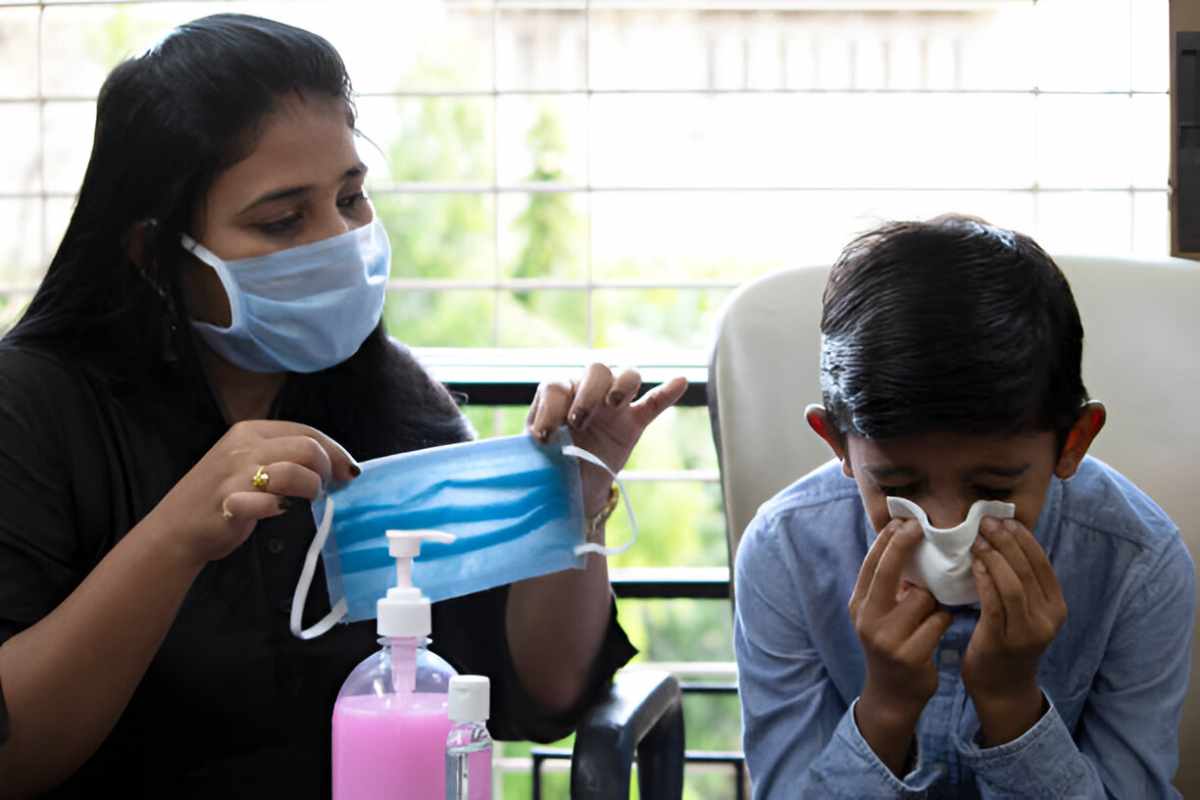
Cold Symptoms are accompanied by headache, nasal congestion, runny nose, or watery eyes. Cold Symptoms should go away within a few days and can generally be accomplished at home with rest and over-the-counter medications.
Colds, also known as the common cold, are usually mild but can affect daily life. In addition to sneezing, runny nose, cough, and sore throat, they can cause tiredness, lack of energy, and general malaise for several days.
Adults get colds two to three times a year. Children can get eight or more of these illnesses each year. Colds are the important cause of school absences for children and work absences for adults.
Most colds are mild and last about a week. However, some people, especially those with weakened immune systems, can develop more serious illnesses such as bronchitis, sinusitis, or pneumonia.
What’s the difference between a head cold and a chest cold?
You may have heard the terms “common cold” and “thoracic bronchitis.” All colds are essentially respiratory infections caused by viruses. The difference between the terms usually lies in the location of the symptoms. “Common bronchitis” is characterized by headache, nasal congestion, runny nose, and watery eyes. “Thoracic bronchitis” is accompanied by chest congestion and a cough. Viral bronchitis is sometimes called “thoracic bronchitis.” Like colds, viruses also cause viral bronchitis.
Cold Symptoms
One way to tell if you have a cold is to look for symptoms. These include:
- Runny or stuffy nose
- Sneezing
- Sore throat
- Cough
- Low fever
- Malaise
- Mild body aches or headache
Cold symptoms usually appear one to three days after exposure to the virus. They should last seven to ten days. Trusted Source
Identify Head Cold Symptoms
Colds and sinus infections have many similar symptoms, such as:
- Nasal congestion
- Runny nose
- Headache
- Cough
- Sore throat
However, their causes are different. Colds are caused by viruses. Although viruses can cause sinus infections, bacteria are the most common cause.
Sinus infections occur when bacteria or other germs grow in the air-filled spaces behind the cheeks, forehead, and nose. Other symptoms include:
- Nasal discharge, which may be greenish in color
- Postnasal drip: mucus that runs miserable the back of the throat
- Facial pain or discomfort, especially around the eyes, nose, cheeks, and forehead
- Tooth pain or discomfort
- Decreased sense of smell
- Fever
- Tiredness
- Bad breath
What causes colds?
Colds are caused by viruses, most normally rhinoviruses (Trusted Source). Other viruses that cause colds include:
- Human metapneumovirus
- Human parainfluenza virus
- Respiratory syncytial virus (RSV)
- Bacteria do not cause colds.
Therefore, antibiotics are not effective in treating them.
You get a cold when an infected person sneezes or coughs, expelling droplets covering the virus into the air. Another way to get sick is by touching surfaces that have the virus on them, such as doorknobs, phones, or toys. The virus can arrive your body by touching your eyes, nose, or mouth.
You are more likely to get a cold if you have a weakened immune system or if you smoke. Colds are more common in the fall and winter than in the spring and summer.
When should you see a doctor?
A cold is usually mild. You don’t need to see a doctor if you have common cold symptoms, such as nasal congestion, sneezing, and coughing.
Call your doctor if you experience any of the following more serious symptoms:
- Difficulty breathing or wheezing
- Fever above 38.5°C (101.3°F)
- Severe sore throat
- Severe headache, especially if you have a fever
- Cough that is difficult to stop or persistent
- Ear pain
- Persistent pain in the nose, eyes, or forehead
- Rash
- Severe tiredness
- Confusion
Call your doctor if your symptoms do not improve within seven days or if they worsen. You may experience any of the following complications, which occur in a small number of people with a cold:
- Bronchitis
- Ear infection
- Pneumonia
- Sinusitis
Treatment
There is no cure for a cold. Antibiotics kill the bacteria, not the viruses that cause it.
Your symptoms should improve within a few days. In the meantime, here are some tips to help you feel more comfortable:
- Don’t overexert yourself. Rest as much as possible to give your body time to recover.
- Drink plenty of fluids, preferably water and fruit juices. Avoid caffeinated beverages, such as soda and coffee, as they are even more dehydrating. Also, avoid alcohol until you feel better.
- Soothe a sore throat. Gargle with a mixture of 1/2 teaspoon of salt and 237 ml of water several times a day. Suck on lozenges. Drink warm tea or broth. Or use a sore throat spray.
- Clear nasal passages. A saline spray can help loosen nasal mucus.
- You can also try a decongestant spray, but stop using it after three days. Using decongestant spray for more than three days can cause nasal congestion to return.
- Use a vaporizer or humidifier in your bedroom while sleeping to relieve congestion.
- Take a pain reliever. For mild pain, try over-the-counter pain relievers such as acetaminophen (Tylenol) or ibuprofen (Advil, Motrin).
- Aspirin (Bufferin, Bayer Aspirin) is safe for adults, but should not be given to children or teens. It can cause a rare but serious condition called Reye’s syndrome.
- If you use an over-the-counter cold medicine, check the appropriate box. Be sure to only take medicines that relieve your symptoms. Do not give cold medicine to children under 6 years old.
Cold Symptoms Tips
Especially during the colder months, such as fall and winter, take the following steps to avoid getting sick:
- Avoid people who look or act sick. Ask them to cough or sneeze into their elbow, not into the air.
- Wash your hands. After shaking hands or touching shared surfaces, wash them with soap and warm water. Or use an alcohol-based hand sanitizer to kill germs.
- Keep your hands away from your face. Avoid touching your eyes, nose, and mouth; these are places where germs can easily enter your body.
- Don’t share. Use your own drinking glasses, utensils, towels, and other personal items.
- Strengthen your immune system. You’ll be less likely to catch a cold if your immune system is functioning at its best. Eat well, get seven to nine hours of sleep each night, exercise, and manage stress to stay healthy.
Prognosis
A cold usually clears up within a week to ten days. Less commonly, it can lead to a more serious infection, such as pneumonia or bronchitis. If symptoms persist for extra than 10 days or worsen, consult a doctor.