


Our skin is much more than a mere outer covering; it plays a crucial role in maintaining our overall health. Acting as the body’s primary defense mechanism, it protects us from outside threats such as pathogens, harmful UV radiation, and physical injuries.
Changes in skin appearance, like rashes or unusual moles, can often be early indicators of underlying health issues related to skin cells, making it essential to pay close attention to our skin, the body’s largest organ.
Maintaining healthy skin includes more than just using the right skincare products. Adequate hydration is key, as inadequate fluid intake can principal to dry skin and other problems.
Additionally, experience to UV radiation from the sun accelerates skin aging and rises the risk of skin cancer, making sun protection a vital part of any skincare routine.
The skin microbiome, a complex ecosystem of beneficial microbes, also plays a significant role in our health by bolstering the immune system and protecting against diseases.
The Skin as a Window to Internal Health
Our skin serves as a mirror, shiny the state of our internal health. Various skin conditions can provide clues about what is happening inside our bodies.
For instance, dry skin may indicate dehydration or nutritional deficiencies, while inflammation and discoloration could signal hormonal imbalances or autoimmune responses that are only skin deep.
A healthy skin barrier is vital for defensive against environmental pollutants and maintaining overall health. When this barrier is cooperated, it can lead to a host of skin issues, including infections and increased sensitivity.
Proper skincare routines and nutrition are vital for maintaining a healthy skin barrier and enhancing overall well-being.
Moreover, the skin can reveal signs of systemic diseases.
For example, jaundice, characterized by a yellowing of the skin, can indicate liver disease, while persistent facial redness might be a sign of rosacea or other inflammatory conditions. Recognizing these signs early can lead to timely medical intervention and better health outcomes.
Psychological Impacts of Skin Conditions
The psychological impact of skin circumstances such as acne, eczema, and psoriasis cannot be overstated. Visible skin disorders and skin problems can significantly affect a person’s mental health and social interactions.
Those with skin issues often experience anxiety and avoidance behaviors, fearing judgment and rejection in social settings.
Research shows that individuals with skin conditions report lower life satisfaction and quality of life. For example, psoriasis patients face a higher risk of depression, with specific rates per 1000 person-years demonstrating the clear link between skin health and mental well-being.
The emotional burden of dealing with these conditions can lead to a vicious cycle of pressure and worsening symptoms.
However, successful treatment of skin conditions can bring about significant improvements in both psychological symptoms and overall quality of life.
Accepting some remaining symptoms and finding ways to articulate their condition can also reduce self-consciousness and improve social engagement.
Lifestyle Factors That Nurture Skin and Well-Being
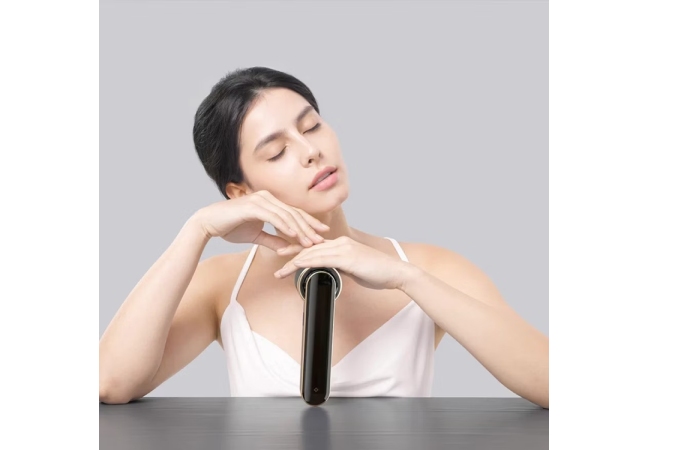
Lifestyle choices play a important role in nurturing both skin health and overall well-being. Regular sun protection helps prevent premature aging and skin cancer, while avoiding smoking improves skin appearance by enhancing blood flow and nutrient supply.
A stable diet ironic in fruits and vegetables contributes to skin hydration and health. Limiting processed foods can mitigate skin aging and promote a glowing complexion.
Effective stress organization techniques, such as meditation and regular exercise, not only improve skin conditions but also boost overall mental well-being and help manage stress.
Gentle skincare practices, counting the use of mild cleansers and moisturizers, help preserve the skin’s natural barriers.
Care and Treatments That Support Holistic Health
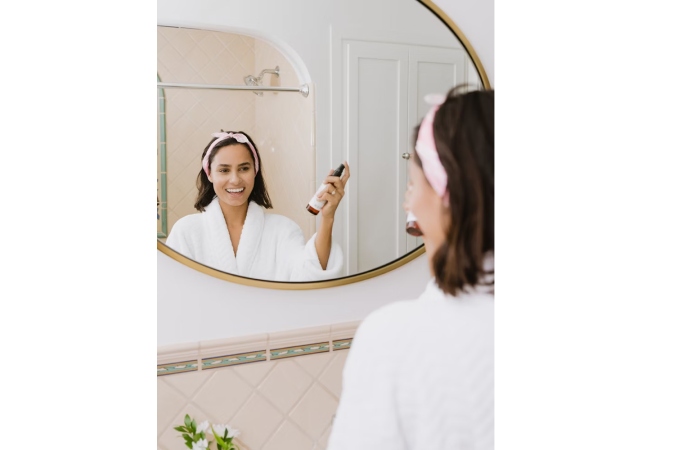
Professional skincare interventions significantly support holistic health. Custom skincare programs tailored to conditions like acne and pigmentation can make a significant difference.
These treatments, often provided by institutions like V Medical Aesthetics, integrate advanced techniques with a whole-person approach, emphasizing the interconnection between skin health and overall well-being and clinical research.
Holistic health care includes aesthetic procedures aimed at anti-aging and skin rejuvenation, contributing to both physical appearance and emotional well-being.
A balanced diet ironic in vitamins, minerals, and antioxidants is also critical for maintaining healthy skin and minimizing conditions like acne and inflammation.
Experts recommend the following for skin health:
- Drink plenty of water, aiming for between eight to ten glasses daily to prevent dryness and promote skin elasticity.
- Engaging in regular exercise to recover blood circulation, benefiting skin rejuvenation and detoxification.
- Practicing stress organization techniques like meditation and yoga to help mitigate skin issues related to elevated cortisol levels.
Preventive Strategies for Lifelong Skin Well-Being
Preventive strategies are key to lifelong skin well-being. Smearing broad-spectrum sunscreen with an SPF of 15 or higher regularly protects the skin from UV damage.
Wearing defensive clothing like long-sleeved shirts and wide-brimmed hats reduces sun exposure and prevents skin damage.
To protect and care for your skin:
- Limit sun exposure during peak hours, particularly from 10 a.m. to 4 p.m.
- Use moisturizers daily to combat dry skin, a common issue as people age
- Stay hydrated by drinking adequate water, as dehydration can lead to dry and flaky skin.
Regular skin checks and consulting a doctor about any concerns can lead to early detection of potential skin conditions.
Conclusion
The well-being of your skin significantly influences both your physical and mental health. Prioritizing skin care is essential not just for aesthetics but for maintaining overall health. Healthy skin contributes to a more fulfilling life by enhancing self-esteem and reducing stress.
Recognizing the connection between skin health and well-being underscores the intricately linked importance of self-care routines. Maintaining skin’s health not only protects us from environmental threats but also supports our overall well-being.
Frequently Asked Questions
How does skin health reflect internal health?
Skin health is a visible indicator of internal health; conditions like dryness or inflammation often signal issues such as nutritious deficiencies or hormonal imbalances. Monitoring skin changes can provide valuable insight into one’s overall well-being.
What psychological impacts can skin conditions have?
Skin conditions can considerably impact mental health, often resulting in anxiety, social withdrawal, and diminished life satisfaction. It is vital to acknowledge these psychological effects and seek support when needed.
How can lifestyle choices impact skin health?
Lifestyle choices significantly impact skin health; regular sun protection, a balanced diet, effective stress management, and gentle skincare practices promote healthier skin and overall well-being.
What role do professional skincare interventions play in holistic health?
Professional skincare interventions are essential in promoting skin health and enhancing overall well-being through personalized programs, hydration, and stress management techniques. They play a essential role in holistic health by addressing both skin conditions and larger health concerns.
What are some preventive strategies for maintaining lifelong skin health?
To ensure lifelong skin health, it is crucial to consistently use sunscreen, wear protective clothing, stay hydrated, utilize moisturizers, and undergo routine skin check-ups. Adopting these preventive strategies can greatly enhance your skin’s well-being.