

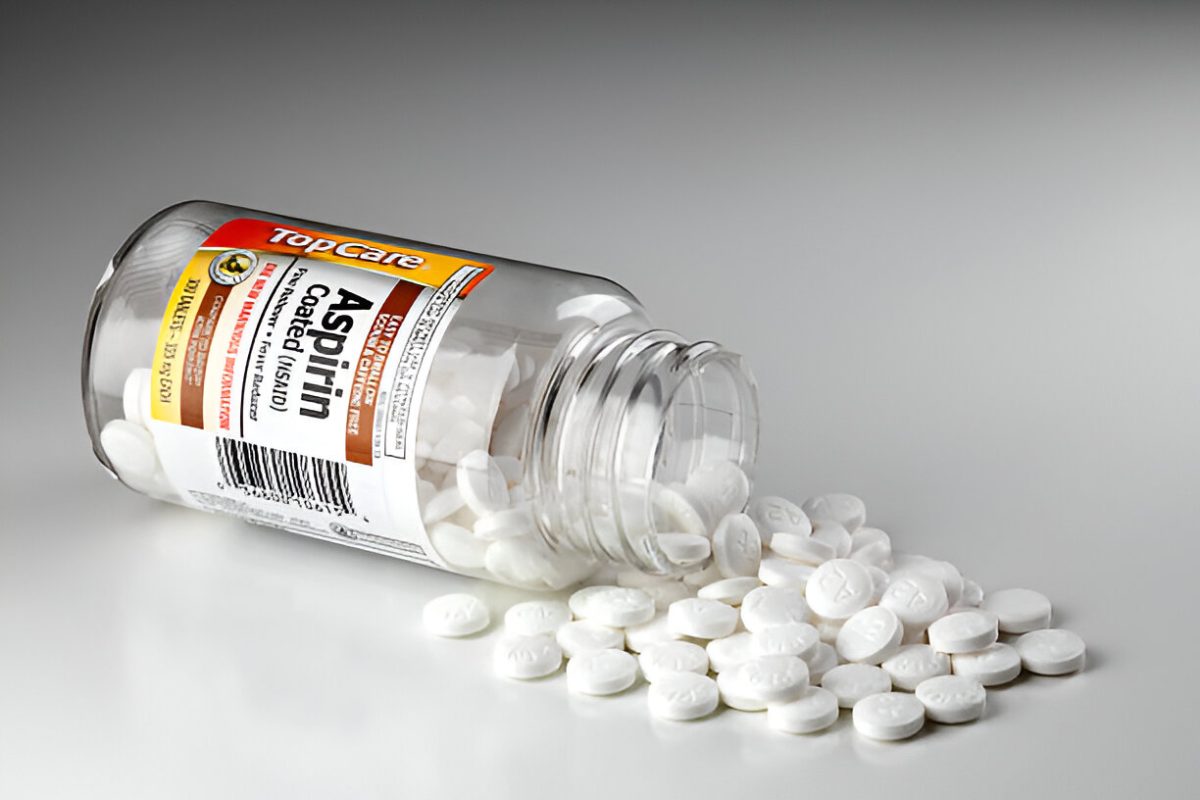
Aspirin and omeprazole (ASPIRIN; OMEPRAZOLE) reduce the risk of heart attack, stroke, or blood clots. They work by preventing platelets from clumping together. They also reduced the risk of developing stomach ulcers when taking NSAIDs.It is a combination of an NSAID and a PPI.
This medicine may be used for other purposes; if you take any questions, ask your doctor or pharmacist.
What should I tell my doctor before taking this medicine?
They need to know if you have any of the following conditions:
- Bleeding disorders
- A child with chickenpox, the flu, or other viral infections
- Frequent alcohol use
- History of stomach bleeding
- Kidney disease
- Liver disease
- Lung or respiratory disease, such as asthma
- Lupus
- An allergic or unusual reaction to aspirin, omeprazole, other medications, foods, dyes, or preservatives
- Pregnancy or planning a pregnancy
- Breastfeeding
How to use this medicine?
Take this medicine by mouth with a glass of water. Follow the label directions. Take it on an empty stomach, at least 1 hour before meals. Do not take it with food. Do not cut, crush, or chew this medicine. Take it regularly. Do not take it more often than prescribed. Do not stop taking it if directed by your doctor.
- Your pharmacist will give you a special Medication Guide with each prescription and refill. Read this information carefully each time.
- Consult your doctor about using this medicine in children. Special caution may be needed.
- Overdose: If you think you have taken too much of this medicine, call a Poison Switch Center or backup room immediately.
- NOTE: This medicine is for your use only. Do not share it with others.
What if I miss a dose?
If you miss a dose, take it as soon as possible. If it’s almost time for your next dose, take only that dose. Do not take double or extra doses.
What can interact with this medication?
Do not take this medicine with the following medications:
- Certain antiretroviral medications used to treat HIV or AIDS, such as atazanavir, nelfinavir, and rilpivirine
- Clopidogrel
- Rifampicin
- St. John’s Wort
- Ticagrelor
- Voriconazole
This medicine may also interact with the following medications:
- Acetazolamide
- Alcohol
- Certain medications used to treat high blood pressure, such as ACE inhibitors and beta-blockers
- Certain medications used to treat diabetes
- Certain medications used to treat or prevent blood clots, such as heparin and warfarin
- Other antiretroviral medications used to treat HIV or AIDS
- Citalopram
- Cilostazol
- Cyclosporine
- Diazepam
- Digoxin
- Disulfiram
- Diuretics
- High-dose methotrexate
- Mycophenolates
- NSAIDs, pain relievers, and anti-inflammatory drugs such as ibuprofen or Naproxen
- Phenytoin
- Probenecid
- Tacrolimus
- Valproic acid
This list may not include all possible interactions. Provide your healthcare specialized with a list of all medications, herbal remedies, over-the-counter medications, or dietary supplements you take. Also, tell your health care professional if you smoke, drink alcohol, or use illegal drugs. Some medications may interact with your medications.
What should I consider when taking this medicine?
- Do not take aspirin or other NSAIDs such as ibuprofen or naproxen while taking this medicine. Side things such as stomach upset, nausea, and ulcers are more likely to occur. Many over-the-counter medicines contain aspirin, ibuprofen, or naproxen. It is important to read the instructions carefully. Talk to your doctor about all the medicines you take. They will tell you which ones are safe to take together.
- This aspirin medicine can cause severe bleeding, ulcers, or stomach rupture. These problems can occur at any time and without any warning signs. They are more common with prolonged use. Call your doctor immediately if you experience abdominal pain, bloody or black tarry stools, or vomiting blood that is red or the color of coffee grounds.
- This aspirin medicine can cause severe skin reactions. They may not appear until weeks or months after starting this medication. Call your doctor immediately if you develop a fever or flu-like symptoms with a rash. The impulsive may be red or purple and then develop into blisters or peeling skin. You may also notice a red, swollen rash on your face, lips, or lymph nodes in your neck or armpits.
See your doctor regularly to display your health. Tell your doctor if your symptoms do not improve or if they worsen.
- This aspirin medication may affect your coordination, reaction time, or judgment. Do not drive or run machinery until you know how this medication affects you. Get up or sit down slowly to reduce the risk of dizziness or fainting. Drinking alcohol while taking this medication may increase the risk of these side effects.
- Be careful when brushing, flossing, or cleaning your teeth, as this may cause infection or increased bleeding. If you are scheduled for dental work, tell your dentist that you are taking this medication.
- Make sure you get enough vitamin B12 while taking this medication. Talk to your doctor around the foods you eat and the vitamins you take.
If you are pregnant, consult your doctor.
- Captivating this medication after 20 weeks of pregnancy can cause serious side effects in the fetus. This medication is not recommended after 30 weeks of pregnancy.
- This aspirin medication may cause infertility. This is usually temporary. Consult your doctor if you are concerned about fertility problems.
What side effects might you experience when taking this medication?
Side effects you should report to your doctor as soon as possible:
- Allergic reactions: skin rash, itching, hives, swelling of the face, lips, tongue, or throat.
- Bleeding: bloody or black, tarry stools, vomiting blood or a brown substance that looks like coffee grounds, red or dark brown urine, small red or purple spots on the skin, uncommon bruising or bleeding.
- Hearing loss, ringing in the ears.
- Kidney damage: decreased urine output, swelling of ankles, hands, or feet.
- Liver damage: pain in the upper right abdomen, loss of appetite, nausea, light-colored stools, dark yellow or brown urine, yellowing of the skin or eyes, unusual weakness or tiredness.
Low magnesium levels
- muscle pain or cramps, unusual weakness or tiredness, rapid or irregular heartbeat, tremors.
- Low vitamin B12 levels: pain, tingling, or numbness in the arms or legs, muscle weakness, dizziness, confusion, restlessness, and difficulty concentrating.
- Skin rash, fever, and swollen lymph nodes.
- Skin rash on the cheeks or arms that worsens in the sun.
- Reddened, blistered, scaly, or peeling skin, including in the mouth.
- Round, red or dark spots on the skin that may itch, burn, or blister.
- Severe diarrhea, fever.
Side effects that usually do not require medical attention (report to your healthcare professional if they persist or are bothersome):
- Headache
- Loss of appetite
- Nausea
- Upset stomach
This list may not include all possible side effects. Consult your doctor for advice about side effects.
Where to store the medicine?
Keep out of reach of children and pets.
Store between 20 and 25 degrees Celsius (68 and 77 degrees Fahrenheit). Keep the medicine in its original container.
Discard unused medicine after the expiration date.
To dispose of medicine you no longer need or that has expired:
- Take the medicine to a medicine collection center. Consult your pharmacy or local police to find out where you can do this.
- If you cannot return the medicine, check the label or package insert to see if you should throw it away in the trash or flush it down the toilet. If you are uncertain, consult your healthcare professional. If you can throw the medicine away, empty the container. Mix the medicine with cat litter, soil, coffee grounds, or other unwanted substances. Seal the mixture tightly in a bag or container. Throw it away.