

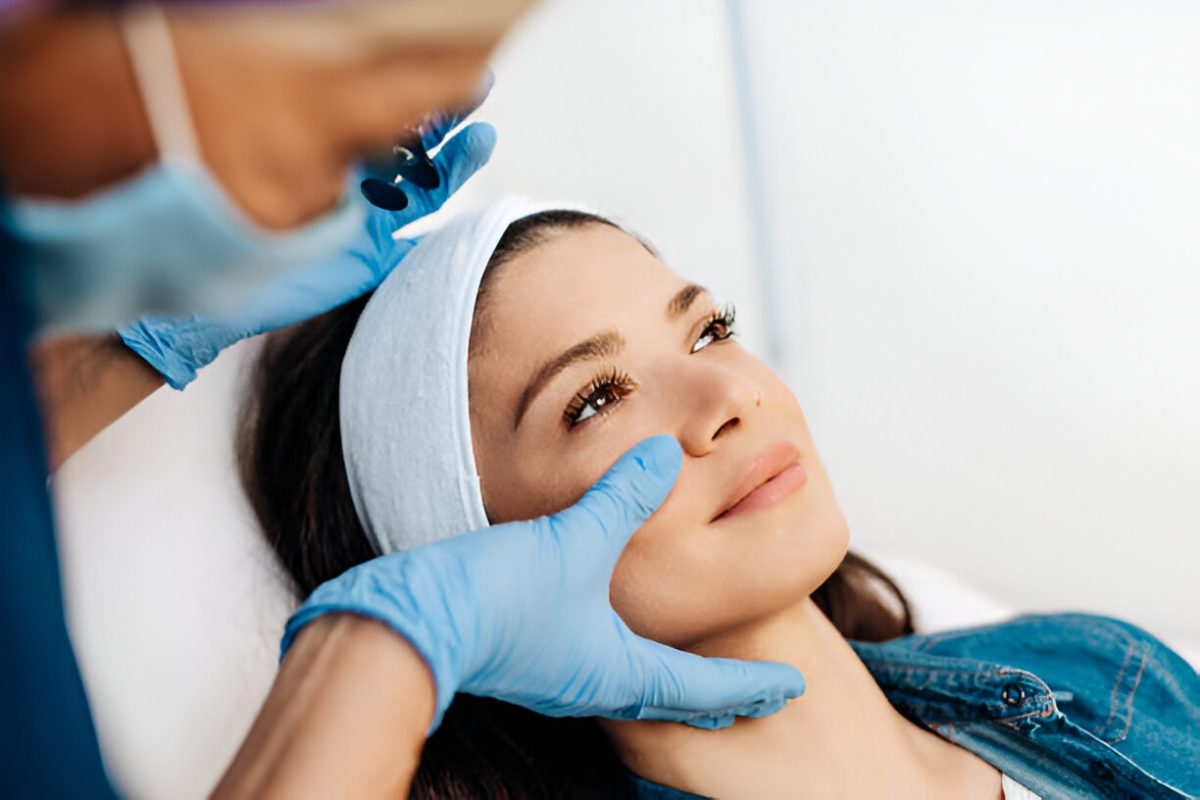
Cosmetic surgery is a procedure to change one’s appearance. It is a type of plastic surgery. There are many procedures, from minimally invasive to complex. They can smooth wrinkles, change the shape of the face, or tighten sagging skin. Many people feel more poised after surgery, but there are risks.
What is cosmetic surgery?
Cosmetic surgery is a procedure to enhance, modify, or correct specific parts of the body. The goal of cosmetic surgery is to change your appearance (aesthetics). Doctors can perform surgery on any part of the body.
There are dozens of surgery options, depending on your expectations. You may choose surgery to smooth out wrinkles and achieve a more youthful appearance. Or perhaps you want to firm, reshape, or resize an area of the body.
Many people choose cosmetic surgery to feel more comfortable with their appearance. This can help improvement their confidence and self-esteem. However, cosmetic surgery can have side effects and complications, and health insurance generally does not cover cosmetic procedures.
What are the different types of cosmetic surgery?
There are several types of cosmetic surgery. Doctors classify them by their degree of invasiveness. Non-surgical methods use chemicals, needles, or lasers to achieve results. Surgical procedures involve incisions in the skin and require a longer recovery period.
Some of the most common non-surgical cosmetic procedures include:
- Botulinum toxin injections (Botox®).
- Chemical peels.
- Intense pulsed light (IPL) treatments and laser skin resurfacing.
- Laser hair removal.
Some of the most common cosmetic surgeries include:
- Abdominoplasty (tummy tuck).
- Breast augmentation.
- Buttock lift.
- Eyelid surgery.
- Rhinoplasty (nose surgery).
What does cosmetic surgery treat?
Cosmetic surgery does not treat any specific medical condition. Instead, it changes your appearance. This can boost your self-confidence and self-esteem.
Situations in which you might consider cosmetic surgery include:
- Dissatisfaction with the appearance of a body part.
- Correction of a growth abnormality (such as tubular breasts or asymmetry).
- Correction of complications from an illness or injury.
- Removal of excess skin after significant weight loss.
- Removal of fat or excess tissue that does not disappear with traditional weight-loss methods.
How common is cosmetic surgery?
Cosmetic surgery is very common. Worldwide, the number of cosmetic procedures performed in 2022 was 11% higher than in 2021. In the United States, more than 1,500,000 surgical cosmetic procedures and more than 5,500,000 nonsurgical procedures were performed.
Anyone can undergo surgery. It is most common in adults aged 40 to 54. Women are more likely to undergo cosmetic surgery than men.
What are the most popular cosmetic surgical procedures?
In 2022, the five most popular cosmetic surgical procedures worldwide are:
- Breast augmentation.
- Eyelid surgery.
- Tummy tuck.
The five most popular non-surgical cosmetic procedures worldwide in 2022 are:
- Botulinum toxin.
- Hyaluronic acid.
- Hair removal.
- Skin rejuvenation.
- Non-surgical fat reduction.
Procedure Details
How to Prepare for Cosmetic Surgery
Before any cosmetic surgery, you will consult with a doctor, such as a plastic or cosmetic surgeon. They will better inform you about your goals and medical history.
Your surgeon will explain which type of surgery best suits your needs and provide realistic expectations about the procedure and recovery. They will also explain the conceivable side effects so you can make an informed decision. If you have any questions about surgery or your specific procedure, this is the time to ask.
You may need to make some preparations before surgery. These may include:
- Quitting smoking.
- Having blood tests.
- Taking certain medications before the procedure.
- Stopping certain medications before the procedure (do not change your medications without your doctor’s approval).
- Refraining from eating the night before surgery.
Arranging for someone to drive you home after surgery. With nonsurgical cosmetic procedures, you will meet with your doctor to examine you and discuss your goals and expected results. Preparation for non-invasive cosmetic procedures is minimal, but your doctor will give you instructions so you are prepared and understand what to do and where to go on the day of the procedure.
If you have any concerns or questions, consult your surgeon or doctor.
What happens during cosmetic surgery?
Each type of cosmetic surgery is different.
The steps of cosmetic surgery may include:
- An anesthesiologist administers anesthesia. This is usually general anesthesia, which puts you to sleep.
- The surgeon makes an incision in your skin.
- The surgeon repairs, moves, removes, adds, or adjusts certain parts of your body.
- The surgeon sutures the incision.
Steps for a Non-Surgical Cosmetic Procedure
For non-surgical cosmetic procedures, you don’t need general anesthesia. Your doctor may give you local anesthesia so you feel no pain except in the part of your body being operated on. You will remain awake during the procedure.
Your doctor’s actions will depend on the type of surgery. For example, if you are having botulinum toxin injections, the surgeon will puncture your skin with a fine needle and inject the medication subcutaneously.
If you are having laser hair removal, the doctor will shine a bright light over your skin. They will provide you with safety goggles to protect your eyes during the laser procedure.
How long does cosmetic surgery last?
The length of cosmetic surgery depends on what your surgeon needs to do. It can last less than an hour or several hours. You may have multiple surgical procedures performed at the same time, which can increase the length of the surgery. Your surgeon will clarify what to expect during your consultation.
Non-invasive cosmetic procedures usually last less than an hour. Some only last a few minutes.
What happens after cosmetic surgery?
After cosmetic surgery, you will be taken to a hospital ward for observation until the anesthesia wears off and you wake up. You may need to stay overnight in the hospital. It is not safe to drive after anesthesia, so ask a friend or family member to drive you home from the hospital.
You may need help at home for a few days while you recover. You will need plenty of rest after surgery. This will require time off from work or school. You will likely be given medication to relieve pain or discomfort after surgery. Bruising and mild swelling are normal.
You can usually return to your normal daily routine after nonsurgical procedures, but avoid strenuous activities until your doctor gives you the okay. You may be able to drive yourself after nonsurgical cosmetic procedures.
Your doctor will give you specific recovery instructions during your appointment so you can prepare. They will also remind you of these instructions after the procedure. It may be helpful to have a friend or family member listen to these instructions so they can assist you if necessary. You may experience drowsiness and difficulty remembering things immediately after surgery.
Follow these instructions to prevent complications. If you have questions about what you can and can’t do during your recovery, or if you experience side effects such as severe pain or swelling, consult your doctor.
Risks/Benefits
What are the benefits of cosmetic surgery?
The benefits of cosmetic surgery include, but are not limited to:
- It can change your appearance.
- It is goal-oriented.
- It is safe.
- You may feel more confident and comfortable with your appearance.
Your satisfaction depends on your expectations. It is important to be realistic about cosmetic surgery. Your surgeon will explain this clearly to ensure your treatment plan aligns with your goals and what you expect to see after recovery.
It may take several weeks to several months before you see results, so don’t be discouraged if you don’t see immediate changes. Some types of cosmetic surgery can last a lifetime.
How safe is cosmetic surgery?
Cosmetic surgery is generally a safe procedure. Your surgical team is highly trained, experienced, and certified to perform specialized procedures that enhance your appearance. Cosmetic surgery is a medical procedure, so your safety is their top priority. They will work diligently to prevent complications and achieve your desired result.
Summary
Every year, cosmetic surgery helps millions of people feel more confident in their appearance. These procedures can improve your appearance and self-esteem, but it’s important to have realistic expectations. Be open and honest with your doctor about what you hope to achieve with surgery. Follow their instructions carefully during the recovery period following any procedure. Maintaining good overall health increases your chances of a successful recovery and realizing the desired results.
If you are considering surgery, talk to your doctor about the benefits and risks of the procedure. Don’t hesitate to contact them if you have any questions before or after the procedure.