

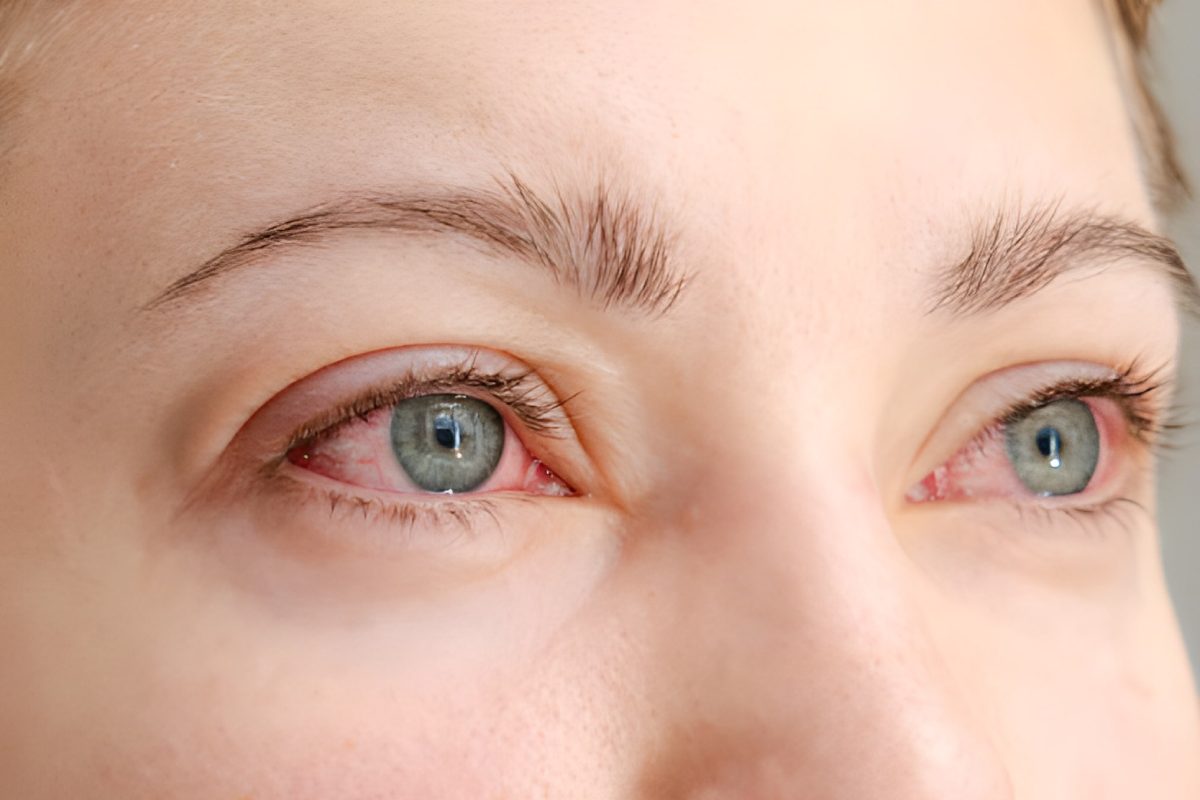
Dry eyelids are constantly marred by itching and skin peeling especially during winter. Still you can get dry eyelids for many other reasons. From ageing to environmental factors, there are several causes for dry skin on eyelids. Though it is not a serious issue, it can lead to infections and other complications if left untreated.
Is your dry eyelid skin peeling off and losing its texture? Are you looking for ways to manage this issue? Well, you have come to the right place. This article will help you discover why you have a dry eyelid, the symptoms, and how to treat it before it becomes infected. Keep reading to know more!
What Are Dry Eyelids?
The eyelid skin is thinner than the skin on the other parts of your body. Also, there are many blood vessels around the eye. These factors make your eyelids more susceptible to irritation and other skin conditions. Dry eyelids may lead to the cracking of delicate skin or extreme flakiness.
You may get dry eyelids for many reasons, such as environmental factors or common skin conditions. Read on to learn more about what causes dry eyelids.
Causes Of Dry Eyelids
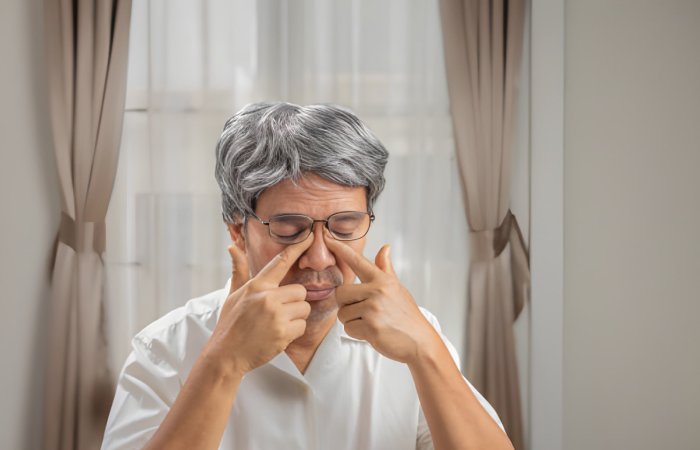
According to Dr Norman Shedlo, an experienced optometrist, everything from ageing to allergens can cause dry eyelids.
He says, “The most common causes of dry eyelids are dry and cold weather, certain skin care products, environmental allergens, contact dermatitis, and excessive eye rubbing.”
Ageing: As you age, your skin becomes more prone to dryness. The skin’s elasticity and thickness change, and it loses its smoothness (1). Moisture is lost due to various reasons, such as reduced hyaluronic acid levels and reduced nutrient supply. These factors may contribute to dry eyelids.
Environmental Factors: Your environment can also cause dry eyelids. Dry climates and cold weather make your skin dry and reduce the moisture in the outer layers of the skin, leading to dryness. Rooms with low humidity can also dry out your eyelids. Washing your face with hot water also has the same effect.
Contact Dermatitis: This condition is also called contact eczema. It develops when your skin comes in contact with something that causes an allergic reaction. Irritants like hair products, makeup, eyelash curlers, face washes, sunscreens, moisturisers, dust, chlorine from swimming pools, etc., can cause eyelid contact dermatitis. Poison ivy is considered the most common cause of allergic contact dermatitis in the United States.
Atopic Dermatitis: People with atopic eczema have sensitive skin due to abnormalities in the epidermis and immune system. This leads to dry and itchy skin. Environmental factors, genetics, and food hypersensitivity may cause atopic eczema.
Blepharitis is a common eyelid inflammation caused by bacteria or other health conditions like rosacea or allergies. It usually affects both eyes. The common symptoms associated with blepharitis are burning sensation, irritation, tearing, photophobia (extreme sensitivity to light), blurred vision, and red eyes.
Signs And Symptoms Of Dry Eyelids
Some of the common symptoms of this skin condition include:
- Itchiness
- Flakiness
- Loss of eyelashes
- Eyelashes growing in the wrong direction
- Scaly and rough skin
- Painful burning
- Peeling
- Oozing and crust forming
- Chronic redness or inflammation around the eyelids.
These symptoms can vary from mild to severe based on the underlying cause. Some people may not experience itching, and others may experience more intense irritation. Your eyelids may also become swollen if you have dry eyelids.
If you notice any of these symptoms, seek proper treatment and manage the condition before it leads to an infection. Read on to learn how to treat it.
How To Treat Dry Eyelids
Dr Yuna Rapoport, a board-certified ophthalmologist, says the treatment depends on the cause of dryness and symptoms. “If you have atopic dermatitis, you can start with over-the-counter hydrocortisone, lubricating eye cream, and a prescription ointment like Tacrolimus. If the cause is blepharitis, then a warm compress followed by a foam called Ocusoft is a good idea, or possibly a steroid ointment like Tobradex,” she adds.
- Eyelid hygiene is one of the most essential practices for managing blepharitis. Topical and oral antibiotics have also been effective in treating it.
- Antihistamines and other topical ointments or moisturizers can also reduce itching and swelling. Identify your triggers and try to avoid them as much as possible.
- Other than these OTC treatments and medications, you can also manage your symptoms with simple home remedies. Check out the following section to learn more.
How To Get Rid Of Dry Eyelids At Home
Dr Shedlo suggests applying small amounts of petroleum jelly on your eyelid to retain moisture, help the skin heal, and remain hydrated. “If the lids are red and irritated, cold compresses will also help bring the inflammation down,” he says. You can make a cold compress by wrapping an ice pack in a towel and applying it to your eyelids for about 10 minutes, twice or thrice daily.
“If the lid skin is split or cracked, a minimal amount of zinc oxide, as in Desitin cream or ointment, will help heal the fissure. Make sure to keep it on the eyelid only and to avoid getting it into your eyes,” he adds.
You can also manage your eyelid dryness with minor lifestyle changes, like:
- Avoid using hot water to wash your face.
- Wash or clean your face with fragrance-free and mild soaps or cleansers.
- Clean your eyelids with safe cleansers.
- Apply moisturiser daily.
- Avoid touching your eyes and eyelids unnecessarily.
- Stop rubbing your eyes.
- Keep your hands clean.
- Use a humidifier to add moisture to your environment.
- Avoid contact with substances that irritate your eyelids.
Wear protective eyewear to prevent harmful particles from contacting your eyelids and eyes.
- Drink plenty of water throughout the day.
- Have a balanced diet rich in omega-3 fatty acids.
- Take regular breaks from screens, especially during extended periods of use.
- Aim for 7-9 hours of quality sleep each night.
When To See A Doctor
You should consult a doctor if the remedies and over-the-counter medications show no results. If you suspect your eyelid dryness is due to dermatitis, consult a doctor to identify its cause and plan the treatment accordingly. You can also seek medical attention if your dry eyelids are itching and affecting sleep.
Dr Shedlo says, “If left untreated, dry eyelids may become chronic, leading to other complications such as infection and scarring. It’s important to seek medical help if your symptoms don’t improve in a few days.” Your doctor may have to conduct a physical examination to diagnose the condition.
Infographic: Simple Tips To Treat Dry Eyelids
Stress, ageing, and atopic dermatitis can contribute to dry eyelids. But if you are stuck and don’t know what to do, don’t despair. You have come to the right place. To help you, we have listed some simple and efficient ways to get rid of dry eyelids at home. Check out the infographic below for more information.
Something is wrong with the infographic shortcode. Please verify the shortcode syntax.
Dry eyelids can be caused by ageing skin and other skin conditions, like contact dermatitis. You experience flaky and rough skin on your eyelids when they are dry. However, these symptoms vary depending on the cause of the condition. Many over-the-counter treatments are available to manage this condition, but you can also explore home remedies for dry skin on the face to provide overall relief. Identifying the triggers will also help prevent it. You can also get rid of dry eyelids with minor lifestyle changes. However, if your symptoms do not subside even after trying out these treatments, consult a doctor immediately.
Frequently Asked Questions
What preventive measures can I take against dry eyelids?
It is essential to prioritise good eyelid hygiene. Cleanse your eyelids daily with a mild cleanser to remove any buildup or irritants. Be mindful of allergens and irritants in your environment, such as dust, pollen, smoke, or harsh chemicals, and take steps to minimise your exposure. You can incorporate moisturising products designed for the delicate eyelid area into your skincare routine. If you struggle with persistent dry eyes, consulting a dermatologist can provide personalised advice and treatment recommendations.
Can I put Vaseline on my eyelids for dryness?
Yes, you can apply a thin layer of Vaseline on your eyelids to help moisturise dry skin. But avoid using a thick layer as it may clog your pores.
Which oil is best for eyelids?
This entirely depends on your skin type and preference. A combination of a carrier oil (like coconut oil or olive oil) and essential oils (like rosemary oil or peppermint oil) may be the most effective.
What does eczema look like on eyelids?
Eczema appears as scales on the upper and lower eyelids. It may also be paired with swelling, pain, and itching.
Can you put hydrocortisone cream on the eyelids?
0.5%-1% hydrocortisone creams are recommended for dry skin issues like eyelid eczema.
Is coconut oil good for eyelid eczema?
Yes, you can apply a little coconut oil to the eyelids to reduce drying as the oil has moisturising properties. However, too much coconut oil may clog pores and worsen eczema.
Can retinol cause dry eyelids?
In some cases, retinol may cause excessive dryness and irritation, especially when applied to the delicate skin around the eyes, potentially leading to dry skin.