


Two Paths, One Destination
Why does yoga practice leave one person vibrant and leave another one exhausted? Why will certain individuals feel relaxed with a slow pace and others feel weighed down or unenthusiastic after doing so? The combined sciences of yoga and Ayurveda have been used since time immemorial to answer these questions through the wisdom of ancient Indians.
Ayurveda and Yoga came up in Vedic India as complementary systems of healing and self-understanding. None of them was to perform as a stand-alone system as both systems promote two different aspects in human health.
Yoga was aimed at developing consciousness, breath as well as energy balance. Ayurveda is concerned with maintaining physical wellbeing, long life and wellbeing with nature by ensuring that one’s lifestyle is in agreement with everyday practices.
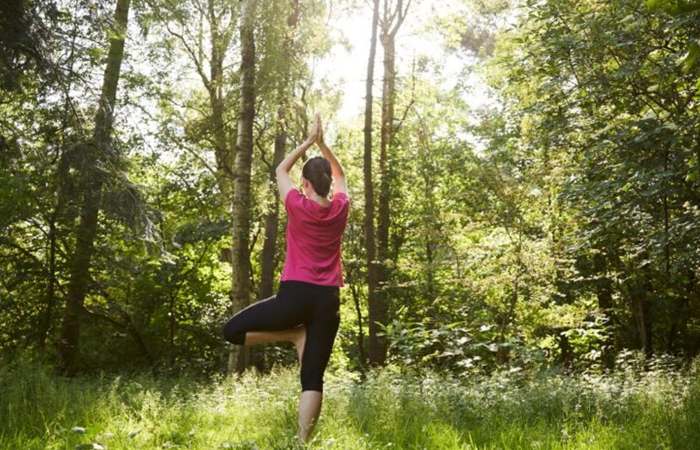
Reconnecting yoga and Ayurveda through mindful movement and nature aligned practice to restore balance and vitality.
The Cost of Separation in Modern Wellness
These sister sciences are not usually seen as one in the contemporary culture of wellness. Yoga is performed without constitutional realization and Ayurveda is enacted without movement and breath.
When this segregation takes place, a great deal of their curative power is lost. The practices are likely to become generalized and not personalized and the individuals can also have inconsistent or unsustainable outcomes.
The combination of yoga and Ayurveda is designed to bring back holistic health. Wellness is nurturing and not exhausting when the choice of practices is based on personal constitution.
For those seeking to experience the integrated benefits of yoga and Ayurveda rather than fragmented wellness approaches, structured programs exist that honor the sister science relationship.
These programs guide practitioners through constitutional understanding and personalized practice design. To explore how traditional integration can enhance modern wellness outcomes, click here to discover frameworks that reunite these ancient systems for contemporary application.
The Shared Roots of Yoga and Ayurveda
A Common Philosophical Foundation
There is a philosophical similarity between yoga and Ayurveda based on Samkhya thought. The two systems explain that health is an active equilibrium as opposed to the lack of illness.
This worldview acknowledges the undying intercourse between body, mind and consciousness. The health varies depending on the way of life, surroundings and inner consciousness.
The Five Element Theory
The theory of the five elements is the core of the two traditions: space, air, fire, water, and earth. These are the constituents of all the physical and mental processes.
The elements are in a certain combination to create the three doshas. These doshas determine physiological as well as psychological inclination in all individuals.
Doshas as Functional Energies
These doshas are referred to as Vata, Pitta and Kapha. Every one of us is born with a particular combination of these forces, which is referred to as prakriti.
Health is maintained when this natural constitution remains balanced. Disorder is created when an imbalance is maintained.
Ayurveda recognizes disproportion and then balances it by means of lifestyle and eating. These corrections are sustainable since yoga controls energy and awareness.
Understanding the Dosha System
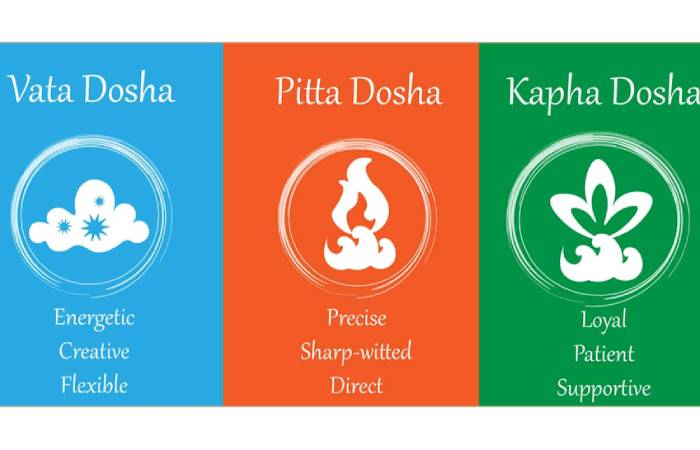
The three Ayurvedic doshas Vata, Pitta, and Kapha describe distinct constitutional energies that guide personalized yoga and lifestyle balance.
Why the Constitution Matters
According to Ayurveda, health is individual. Not all yoga practices are beneficial to all.
Knowing your dosha type will enable yoga to help you balance rather than create more imbalance. This difference makes yoga a therapeutic device.
Vata Dosha Characteristics
The Vata is a combination of space and air. It controls movement, creativity and communication.
Balanced Vata expresses adaptability and joy. Imbalance can be anxiety, sleeplessness, dryness or irregular digestion.
Pitta Dosha Characteristics
Fire and water are the creators of pitta. It controls the process of digestion, metabolism, and intellect.
Pitta is in balance which helps in leadership and clarity. Pitta excess is commonly exhibited as inflammation, irritability or burnout.
Kapha Dosha Characteristics
Kapha is a result of water and earth. It controls organization, perseverance and stability.
Kapha is a balanced one that is strong and kind. The imbalance can manifest itself as a feeling of fatigue, overload or a heavy heart.
Most people express dual doshas. Current imbalance, called vikriti, often differs from birth constitution.
Tailoring Yoga Practice to Each Dosha
Balancing Vata Through Yoga
Vata yoga stresses stability and steadiness. Massive movements, increased holds and heat relax the overactivity of the nervous system.
Light breathing exercises and long relaxation are beneficial to sleep and emotional stability.
Cooling Excess Pitta
Pitta Yoga is focused on cooling and moderation. Practices should reduce intensity and competition.
Cooling breathwork and surrender-based postures regulate inflammation and mental pressure.
Stimulating Kapha Balance
Yoga for Kapha requires stimulation and heat. Sequencing dynamism overcomes stagnation and heaviness.
Inspiring breathwork keeps one motivated, circulates and in balance with metabolism.
The Principle of Opposites
According to Ayurveda, opposites bring out equilibrium. Yoga is therapeutic when it opposes imbalance as opposed to promoting it.
Supporting Yoga with Ayurvedic Lifestyle
The Importance of Daily Routine
Yoga is actually complete when it is complemented by an Ayurvedic daily routine, or dinacharya. Regularity normalizes the digestion and hormones.
Consistently sleeping and eating consciously will alleviate stress and help the nervous system to be regulated.
Seasonal Alignment
The ritucharya (seasonal adjustments) bring the body in harmony with the environment. These alterations are beneficial in regard to immunity and energy balance.
The yoga intensity should be adjust to the season in order to avoid burnout and exhaustion.
Lifestyle as Preparation
Oil massage, warm hydration, and systemic daily rhythm are some of the practices that enhance resilience. The habits enable the body to be ready to obtain the maximum benefits of yoga.
The Role of Professional Training

Ayurvedic herbs and oils complement yoga practice by supporting balance, recovery, and individualized healing.
When Self-Practice Is Not Enough
Learning the foundational knowledge can be self-taught by reading and practicing. Integration of yoga and Ayurveda to be implement therapeutically, however, demands a high level of knowledge in the area of physiology, constitution, and contraindications.
Complex imbalances, chronic dysregulation of the nervous system are part of conditions that should be evaluated by a professional. Irresponsible guidance will even highly purposeful practices will contribute to the continuation of imbalance instead of restoring balance.
Training for Wellness Professionals
The Instructors of yoga and holistic practice need to be provided with the systematized learning to combine the two systems safely and in a responsible manner. Doshas interact with breath, movement and lifestyle, so understanding the interaction is necessary to apply them individually.
Professional training makes sure that practices are being made to suit the individual instead of being general. This is protective of the client well well-being and builds on clinical effectiveness.
Clinical and Ethical Application
Combination programs of anatomy, physiology with yoga and Ayurveda offer ethical guidelines on therapeutic practice. These initiatives focus on evaluation, advancement and observance of medical boundaries.
This kind of training facilitates co-operation with the healthcare providers and makes yoga complementary, as opposed to prescriptive.
Returning to Ancient Wholeness
A Unified System for Health
Yoga and Ayurveda did not exist as distinct ways. This combination is a system of the integrity of the human well-being that deals with body, mind and consciousness in one go.
This combination promotes resilience, flexibility and long-term stability as opposed to short-term symptom alleviation.
Personalizing Wellness
The constitutional knowledge enables wellness to be deliberate and not responsive. Practices are responsive to the needs of an individual, the season and the stage in life as opposed to the routine.
Such individualization renders health self-managed and sustainable.
A Living Tradition
Yoga and Ayurveda make us aware that balance is found and not forced. Ancient wisdom is still relevant today because it is practiced through self-awareness, daily rhythm and the unity with nature.
The traditions are still changing but they do not disregard their primary intention which is to promote wholeness.