

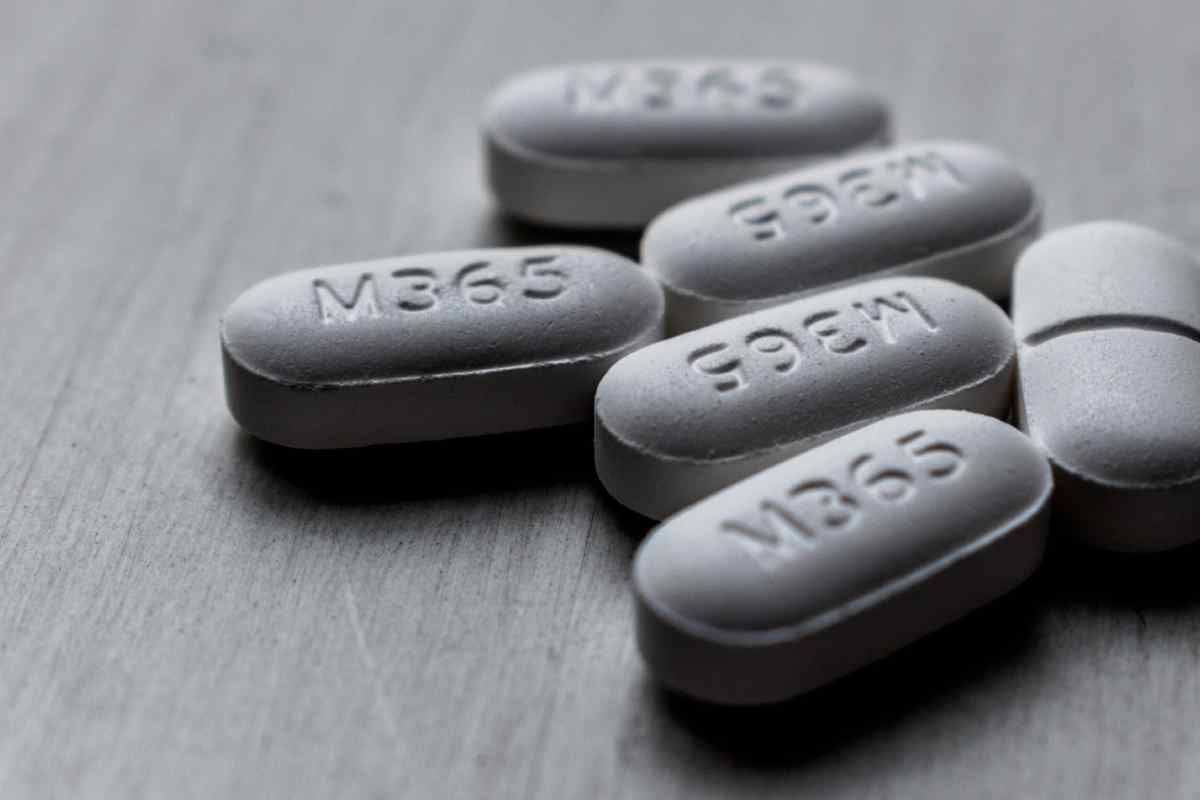
m365 white oblong pill is a prescription medication often used to relieve moderate to severe pain. This medication combines two active ingredients: hydrocodone, an opioid analgesic, and acetaminophen, a non-opioid analgesic commonly found in over-the-counter medications such as Tylenol.
Hydrocodone changes in what way the brain and nervous system perceive and respond to pain signals. While effective in relieving pain, it is crucial to understand that hydrocodone, like other opioids, carries the risk of emerging tolerance, physical dependency, and even addiction—a condition known as opioid use disorder.
This comprehensive guide will look at the uses, effects, and potential risks of M365 tablets. Understanding these aspects will help patients and their loved ones make informed decisions about pain management and overall health.
What Is the m365 white oblong pill?
m365 white oblong pill is a prescription pain reliever commonly used to relieve moderate to severe pain.
This is a combination drug that contains:
- Acetaminophen: A widely used pain reliever and temperature reducer found in over-the-counter medications such as Tylenol.
- Hydrocodone: A powerful opioid pain reliever that changes the way the brain and worried system interpret pain signals.
Because of its potency and potential for abuse, the m365 white oblong pill may be habit-forming if not taken as directed. It is essential to take this medication under strict medical supervision.
Side Effects of the M365 Pill
Taking acetaminophen hydrocodone bitartrate, known as m365 white oblong pill, for pain relief can cause common side effects similar to other painkillers. Although it is generally safe at recommended doses, discussing any concerns with your doctor before continuing treatment is essential.
This drug can interfere with movement, often causing dizziness, the severity of which varies from person to person. Therefore, doctors usually advise patients to refrain from driving or operating heavy machinery though taking this drug.
Other common side effects include:
- Dizziness
- Nausea
- Vomiting
- Constipation
- Drowsiness
Sometimes, more serious side effects may occur when taking this medicine. If any severe reaction occurs, seeking immediate or emergency medical attention is essential, especially if you suspect you have an emergency.
Serious side effects linked to M365 use include:
- The face, mouth, or throat is swelling due to an allergic reaction.
- Development of drug dependence, causing unpleasant withdrawal symptoms during recovery.
- Liver damage or failure.
- Shortness of breath.
- Change in appetite.
Medications Similar to the m365 white oblong pill
Two common opioid medications similar to the M365 pill include:
Norco
Norco is a brand-name prescription drug manufactured by Watson Pharmaceuticals.
The drug is available in the following formulas:
- Acetaminophen (325 mg) in combination with hydrocodone (5 mg)
- Acetaminophen (325 mg) in combination with hydrocodone (7.5 mg)
- Acetaminophen (325 mg) in combination with hydrocodone (10 mg)
The original Norco formula contains the same amount of acetaminophen and hydrocodone as the M365 tablet.
Hydrocodone is a semi-synthetic opioid, a derivative of codeine, that plays a significant role in the opioid epidemic in the United States. It dilemmas to opioid receptors in the central nervous system (CNS), reducing pain perception. Although it is an effective pain reliever, the exact mechanism by which hydrocodone works is not fully understood.
Acetaminophen, the other active ingredient in Norco, is the same compound found in over-the-counter pain relievers such as Tylenol. It also produces analgesic effects by acting on the CNS.
Vicodin
Vicodin is another opioid painkiller similar to the m365 white oblong pill, manufactured by Abbott Laboratories.
This combination drug is available in the following dosages:
- Acetaminophen (300 mg) and hydrocodone bitartrate (5 mg)
- Acetaminophen (300 mg) and hydrocodone bitartrate (7.5 mg)
- Acetaminophen (300 mg) and hydrocodone bitartrate (10 mg)
The main difference between Norco and Vicodin is the acetaminophen content: Norco contains 325 mg of acetaminophen, while Vicodin contains 300 mg. Both drugs contain the same amount of hydrocodone in their formulas.
Is the m365 white oblong pill Addictive?
Yes, M365 is considered addictive. According to the Nationwide Institution on Drug Abuse (NIDA), hydrocodone is one of the most commonly prescribed medications in the United States.
The presence of hydrocodone in M365 makes it highly addictive, making it unsuitable for long-term use without close medical supervision.
Many people start taking M365 as prescribed by their doctor for moderate to severe pain, but may develop physical dependence if they take it longer than recommended. Although physical dependence is different from addiction, the two are carefully related and can lead to substance use disorders.
Some people abuse M365 to experience its pleasurable, euphoric effects. The drug can produce feelings of well-being and warmth, which may lead people to use it repeatedly, increasing the risk of addiction.
Common Uses of m365 white oblong pill
Doctors often prescribe white tablets M365 for pain relief.
Some common uses include:
- Trauma-Related Pain: Relieves discomfort caused by serious injuries such as fractures or deep lacerations.
- Post-Surgical Pain: Reduces pain after surgical procedures, promoting a more comfortable recovery.
- Chronic Pain: Relieves ongoing pain associated with arthritis, back problems, and other chronic illnesses.
- Dental Pain: Relieves pain caused by major dental measures such as tooth extractions or root canal treatments.
It is essential to take the white oval tablet M365 exactly as directed by your healthcare professional to minimise the risk of harmful side effects.
Signs That Someone is Using m365 white oblong pill
Because of its pain-relieving effects, there is an increased risk of abuse or misuse of M365. People who develop a tolerance to painkillers may develop a physical dependence on these drugs. Because M365 is an opioid drug, its symptoms are similar to those associated with opioid use.
If you suspect that a friend or loved one is abusing M365, here are some signs to look out for:
- Constricted pupils (constricted by pinpricks)
- Itching, which can lead to a rash
- Red or hot skin
- Dry mouth
- Gastrointestinal problems, such as diarrhoea or an upset stomach
- Changes in social behaviour, such as withdrawal from family and friends
- Difficulty performing at work or school
- Sexual dysfunction in men
- Nausea or vomiting
- Difficulty speaking (dysarthria)
- Drowsiness
- Lethargy
How Does the m365 white oblong pill Interact with Your Body?
The white tablet M365 contains hydrocodone and acetaminophen to effectively relieve pain and improve overall comfort when used as directed by a doctor.
Hydrocodone is an opioid that binds to definite opioid receptors in the intellect and spinal cord. By binding to these receptors, hydrocodone alters pain perception, reducing the intensity of pain signals transmitted to the brain. This powerful analgesic effect makes hydrocodone-containing medications like M365 particularly effective in treating moderate to severe pain caused by injury, surgery, or chronic illness.
On the other hand, Acetaminophen works by inhibiting the production of certain brain substances responsible for pain and inflammation. This action enhances the analgesic effects of hydrocodone, creating a synergistic effect. In addition, acetaminophen helps reduce fever, which can be helpful for people recovering from infections or surgery.
By relieving pain, M365 allows people to move more freely and contribute in daily activities with less discomfort. Improved mobility is essential for maintaining muscle strength and joint function, especially for people with chronic pain conditions such as arthritis. Reducing pain also improves concentration and the ability to complete tasks at work, home or school effectively.
Effective pain relief is critical to recovery from injury or surgery. By controlling pain levels, M365 supports the body’s natural healing processes, ensuring a faster, more comfortable recovery. Effective pain relief increases the likelihood of completing necessary physical therapy and rehabilitation exercises, improving long-term results.
Pain can significantly disrupt sleep patterns, causing insomnia or poor sleep quality. By effectively relieving pain, M365 promotes restful, uninterrupted sleep. Quality sleep is vital for bodily recovery and overall health, as it countenances the body to repair tissue, strengthen the resistant system and maintain cognitive purpose.
How Long Does the m365 white oblong pill Stay in Your System?
Although the pain-relieving effects of the extended white M365 tablets usually last for a few hours, the medication may remain in your system for an extended period:
- Blood: up to 24 hours
- Urine: 2 to 4 days
- Saliva: 1 to 4 days
- Hair: up to 90 days
The pain-relieving effects of the white oblong tablet M365 usually last for 4 to 6 hours. It is essential to follow your hospitals instructions regarding dosage and frequency of management to ensure safe and effective pain relief.
The date the drug remains detectable in the body may vary depending on age, body weight, metabolism, and dosage. Always take the white tablet marked M365 exactly as directed by your doctor.

m365 white oblong pill Addiction
According to the National Society on Drug Abuse (NIDA), hydrocodone is one of the most commonly used opioids in the United States. The development of addiction to M365 can be caused by a variety of influences, just like other types of addiction.
Some people initially take M365 as part of their treatment plan for moderate to severe pain, but with long-term use, they can develop a physical dependence. Over time, this dependence can grow into a narcotic addiction.
In addition to prescription drug abuse, some people use M365 recreationally for its euphoric effects. Users may experience feelings of relaxation, sociability, satisfaction, or warmth, which can contribute to repeated abuse and lead to addiction.
Overcoming addiction requires recognition, which can be a difficult first step. If self-help is difficult, family members or professionals may be needed to begin the recovery process.
As with many addictive substances, long-term abuse of M365 tablets can have serious and potentially fatal consequences. Early interference is critical to preventing long-term damage and beginning recovery.
Withdrawal Symptoms from m365 white oblong pill
If tolerance or dependence on M365 develops, stopping the drug can be difficult. Withdrawal symptoms are likely to occur as the body adjusts to the absence of the drug.
These indications can sometimes become worse, especially if the drug remains in the body for a long time. As a result, people dependent on painkillers may experience such severe discomfort that they may be tempted to resume taking the drug for temporary relief.
Common M365 withdrawal symptoms include:
- Anxiety: a feeling of worry, apprehension, or nervousness that may be overwhelming.
- Muscle aches and tension: generalised muscle pain or discomfort, often described as flu-like symptoms.
- Excessive sweating: unusual or heavy sweating unrelated to physical activity or ambient temperature.
- Irritability: increased arousal or frustration in response to minor provocations.
- Insomnia: difficulty dwindling or staying asleep, resulting in lassitude and decreased performance.
Additional withdrawal symptoms may include:
- Goosebumps
- Runny nose and watery eyes
- Stomach cramps
- Nausea and vomiting
- Diarrhea
- Tachycardia
- High blood pressure
These symptoms can be uncomfortable and cause people to resume taking medications to relieve pain, thereby prolonging the cycle of addiction. It is important to note that withdrawal from opioids such as hydrocodone can be difficult and should ideally be done under the supervision of a healthcare professional.
Medical detox plans can provide support and medications to help ease withdrawal symptoms, making the process safer and more manageable. Behavioural therapy and psychological counselling are also essential components of a comprehensive management plan that addresses the psychological aspects of addiction.
It is vital that anyone considering stopping M365 pills seeks advice from a healthcare professional and has a support system in place. With the proper support, people can successfully overcome withdrawal symptoms and move towards recovery.

M365 Overdose
An overdose of the white oval tablet M365 is a serious and potentially life-threatening situation.
Symptoms of an overdose of M365 tablets may include:
- Severe drowsiness: difficulty staying awake or concentrating.
- Slow or shallow breathing: A significant decrease in breathing rate may lead to respiratory failure.
- Unconsciousness: loss of reaction or awareness.
- Cold or clammy skin: skin that feels unusually cold and clammy.
If you suspect that someone has taken an overdose of the M365 tablet, seek immediate medical attention.
M365 Pill Interactions with Alcohol & Other Substances
Taking M365, which contains hydrocodone and acetaminophen, with alcohol or other painkillers can be extremely dangerous. This combination can increase the risk of grave side effects and potentially death.
Alcohol and Opioids
- Additive Effects: Both hydrocodone and alcohol are central nervous system (CNS) depressants. Together, they can potentiate their effects, causing profound drowsiness, sedation, and impaired coordination.
- Increased Risk of Accidents: Increased sedation may lead to accidents, falls, or injuries, especially when driving or operating machinery.
- Life-threatening Respiratory Depression: Both substances can slow your breathing. Using them together greatly increases your risk of respiratory depression, which can be fatal. In severe cases, respiratory arrest can occur when breathing stops altogether.
- Acetaminophen Toxicity: Acetaminophen is metabolised in the liver, like alcohol. Using them together stresses the liver, increasing the risk of liver damage or failure. Symptoms of liver damage include jaundice (staining of the skin or eyes), abdominal pain, nausea, nausea, and dark urine. If these symptoms occur, immediate medical attention is required.
Interactions with Other Substances
Opioids and Benzodiazepines (Benzos)
- Typical examples: drugs such as Valium (diazepam), Xanax (alprazolam), and Ativan (lorazepam).
- Increased Risk: Combining benzodiazepines with hydrocodone increases the sedative effects, causing increased drowsiness, dizziness, respiratory depression, and increased risk of overdose.
- Fatality Potential: The combined respiratory depressant effects can be fatal. A significant proportion of opioid overdose deaths involve benzodiazepines.
Other CNS Depressants
- Examples: muscle relaxants, hypnotics, and some antipsychotics.
- Combination Action: Like alcohol and benzodiazepines, other central nervous system (CNS) depressants may further increase the risk of severe sedation, respiratory depression, and overdose when combined with hydrocodone.
Illicit Drugs
- Stimulants: Using opioids with stimulants such as cocaine or methamphetamine can mask the belongings of each, increasing consumption and the risk of overdose.
- Other opioids: Using multiple opioids at the same time can significantly increase the risk of overdose due to their cumulative effects on the respiratory system.
Warning Signs of Dangerous Interactions
- Severe drowsiness: Extreme drowsiness or inability to stay awake indicates a potentially dangerous interaction.
- Unresponsiveness: Difficulty waking up or unresponsiveness is a medical emergency.
- Breathing problems: Noticeably slow or shallow breathing requires immediate medical attention. If breathing stops, give naloxone if available and call emergency services.
- Unconsciousness: Loss of consciousness is a medical emergency; seek immediate medical attention.
- Severe confusion: Hallucinations, severe disorientation, or inability to recognise familiar people or places may indicate a serious drug interaction.
Treatment for m365 white oblong pill Addiction in Atlanta, GA
People struggling with chronic substance abuse may feel overwhelmed and unsure where to turn for help. It is essential to understand that hope is not lost and there are paths to recovery.
Various addiction treatment programs offer a comprehensive approach to rehabilitating people suffering from drug addiction. A comprehensive approach takes into account not only the bodily aspects of addiction but also the emotional, psychosomatic, and social factors that contribute to substance abuse.
Treatment options for M365 abuse may include:
- Outpatient drug rehab: Ideal for those who want to maintain a routine and stay linked to family and work while in treatment. Outpatient programs offer flexible scheduling and may include individual therapy, group therapy, and educational sessions.
- Cognitive behavioural therapy (CBT): A form of therapy that helps people classify and change negative patterns of rational and behaviour associated with substance use. CBT provides patients with coping strategies to control triggers and prevent relapse.
- Medication-assisted therapy (MAT): In some cases, medications may be used to succeed withdrawal symptoms and reduce cravings. Medications such as buprenorphine or methadone may be part of a comprehensive treatment plan.
- Support groups: Participating in support groups such as Narcotics Anonymous creates a community of people who understand the difficulties associated with addiction and offer support and accountability.
- Family Therapy: Involving family memberships in the treatment process can strengthen relationships and create a positive environment for recovery.
At Hope Harbour Wellness, our addiction recovery specialists strive to provide compassionate, individualised care to each patient. We understand that recovery is a personal and ongoing process, and we are here with you every step of the way.
If you or a loved one is ready to take the next step toward recovery, please get in touch with us at 770-230-4081 or fill out our working contact form to learn more about our agendas and how we can help you achieve long-term recovery.