

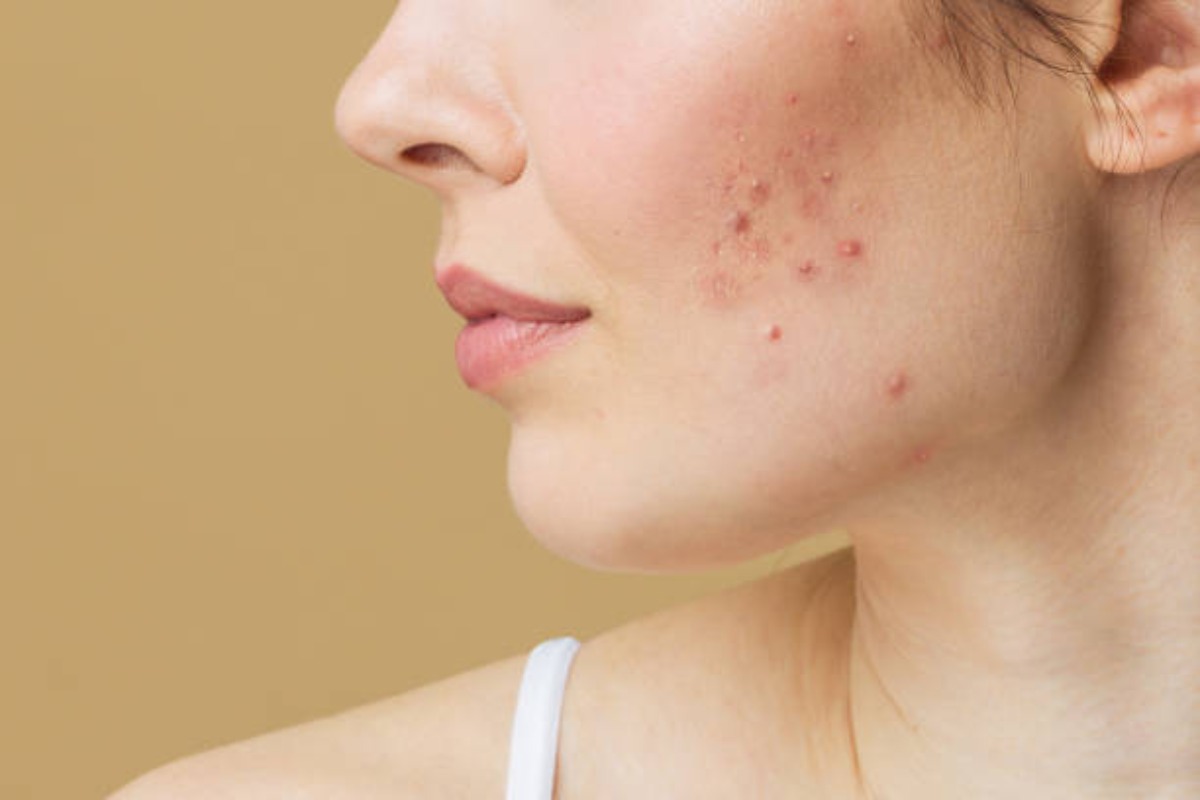
Red Spots On Skin range from subconscious scratching and insect bites to chronic skin conditions like psoriasis. If these red spots persist for a prolonged period, consulting a medical expert is the ideal course of action to ensure appropriate and prompt treatment. However, these spots are only temporary in most cases, causing slight irritation, but can be managed with over-the-counter medication, home remedies, and some basic precautions.
Explore some common plausible causes of red spots on the skin, discuss rare possibilities, correct treatment methods, and helpful home care tips to expedite the healing process in this article. Keep reading to learn more.
What Are Red Spots On The Skin?
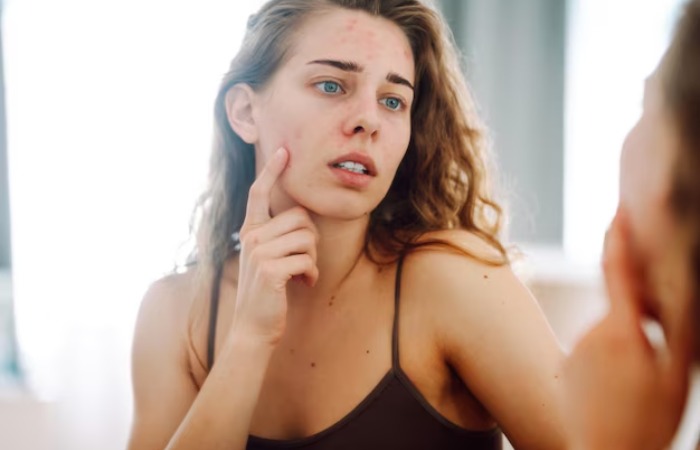
The most common misconception is that red spots are, more often than not, caused by acne. In some cases, you may experience tiny red spots with a burning sensation, itching, and scaly skin. These spots can have multiple causes ranging from acute skin infections to serious conditions. They may appear as tiny red bumps with scaly skin or even flat patches. Sometimes, these spots can be accompanied by swollen skin and pus-like discharge.
However, the symptoms and appearance vary according to the underlying condition. Therefore, it is necessary to learn the causes of these spots. Keep reading to learn more about it.
What Causes Red Spots On Skin
There are several conditions that may cause red color spots on the skin. Some are harmless and will disappear in a few days, while others may require treatment with home remedies or a consultation with a healthcare professional.
Note: It is best recommended to consult a dermatologist if you notice any red spots or patches (or any discoloration on the skin) to properly diagnose the cause and treatment.
Leukemia
Leukemias are serious cancers that affect the blood and bone marrow. When leukemia affects the skin, you notice small bumps and spots on the skin called leukemia cutis (1). These bumps or spots appear as red or purplish-red dots or patches, sometimes darker in color. It affects the layers of the skin and tissue beneath it.
Symptoms of leukemia include:
- Small red spots
- Mouth sores and swollen gums
- Easy bruising and bleeding
- Skin color changes
- Skin infections
Treatment
In this case, seeking medical care is important. Treatment for red spots due to leukemia typically involves chemotherapyi tailored to the specific type of cancer. This treatment not only addresses blood issues but may also help improve skin problems simultaneously. In some instances, radiation therapy may be used for more challenging cases or to alleviate symptoms.
Cherry Angioma
Cherry angiomas are the most common type of skin growth caused by blood vessels. They look like small, bright red bumps with a pale ring around them. They usually appear as multiple spots on the trunk or upper arms and legs and are rarely found on the face, hands, or feet.
Symptoms of cherry angioma include:
- Red, flat spots and grow into 1 to 5 mm red bumps
- May bleed if injured
- May turn blue in some cases
- Treatment
These spots are usually asymptomatic but may bleed if injured. Some people may choose to remove them for cosmetic reasons or to prevent bleeding. The treatment to remove small spots involves local anesthesia followed by electrocauterizationi . Larger spots are typically treated with shave excisioni combined with electrocauterization.
Heat Rash
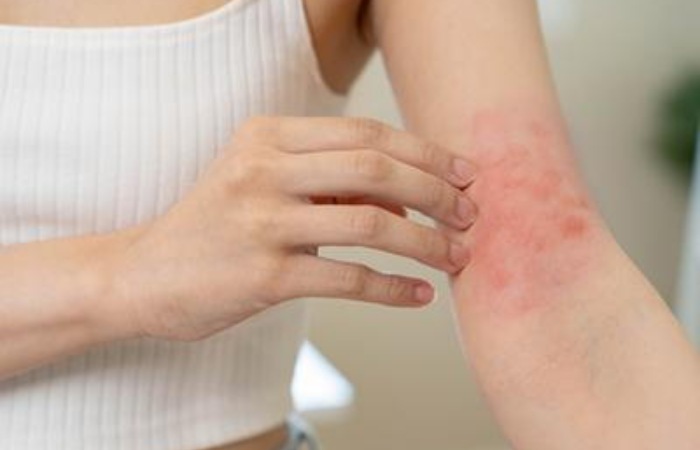
A heat rash may result in small, red, itchy, and prickly spots on the skin. It typically appears in areas where sweat collects, such as the groin, chest, back, arms, and armpits (5).The spots appear as tiny blisters, about 1 to 2 mm in size, and affect adults and newborns typically under 2 weeks old.
Symptoms of heat rash include:
- Groups of small, firm, and flesh-colored bumps
- Feeling itchy or prickly
- Decreased or no sweating in the affected area
- Feeling dizzy
- Experiencing nausea
Treatment
Treatment for heat rash involves managing sweating and blocked sweat ducts, which are usually the main causes. This includes staying in cooler environments, wearing breathable clothing, exfoliating the skin, and removing any items that cover the skin like bandages or patches. However, it may vary based on the type of heat rash you have. Certain types of heat rash may resolve within a day, while others may require antibiotics for treatment. It is best recommended to consult a dermatologist to check which type of heat rash you have and what is the best course of action.
Keratosis Pilaris
This condition typically manifests as small bumps around the hair follicles with redness. People with keratosis pilaris have red, bumpy skin that isn’t painful or itchy (6). These small bumps often occur on the upper arms, thighs, and buttocks, but may also appear on the face, trunk, and lower legs.
Symptoms of keratosis pilaris include:
- Dry skin
- Painless small red spots
- Red and swollen bumps if squeezed.
- Appearance of bumps may cause emotional distress.
Treatment
The red spots caused by keratosis pilaris may be managed by maintaining good hygiene, using gentle soaps, and avoiding picking at the bumps. Using creams like salicylic acid (6%) or urea (20%) may make the skin smoother. Sometimes, treatments like retinoids or vitamin D creams and chemical peels with glycolic acid may also help improve the condition.
Contact Dermatitis
This is a common skin allergy triggered by contact with an allergen or irritant, resulting in an itchy, red rash (7). Symptoms typically appear 1 to 3 days after exposure to the trigger and peak around 3 to 4 days later.
Symptoms of contact dermatitis include:
- Burning
- Itching
- Stinging
- Soreness
- Pain
- Dry, flaking skin
- Bright, flushed rash
- Clusters of small dots on the skin
- Fluid-filled blisters that crust over
- Dark, thickened skin
- Sunlight sensitivity
Treatment
Treating contact dermatitis depends on its main cause and how bad the symptoms are. Mild to moderate cases of dermatitis usually get better if you avoid whatever caused the irritation. This means you may have to avoid harsh chemicals in skin products, nickel or gold jewelry, certain foods, or medicines that may trigger allergic reactions. You can also use over-the-counter 1% hydrocortisone cream if the symptoms are mild. If that does not help, consult a doctor who can prescribe stronger steroid creams if needed.
Atopic Dermatitis
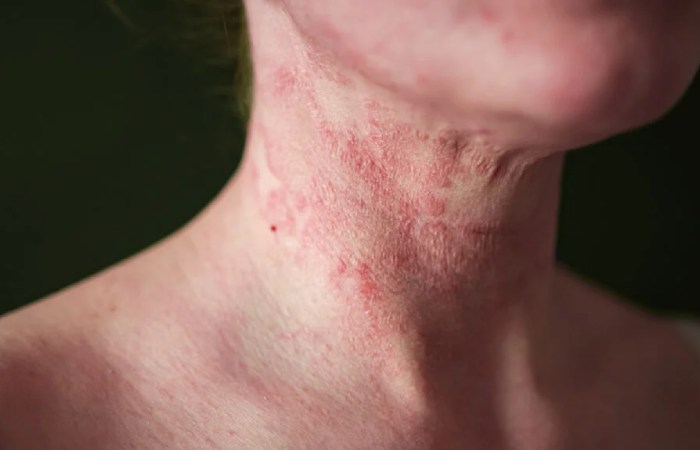
Atopic dermatitis is the most common chronic inflammatory skin disease and a type of eczema. The condition’s symptoms vary by age. Infants develop swollen bumps and plaques, sometimes with blisters or crusts, on the scalp, face, and arms or legs while adults often have thickened skin patches, mainly on the hands.
According to the 2025 National Health Interview Survey (NHIS) conducted by the National Center for Health Statistics (NCHS), the prevalence of eczema was higher among women (8.9%) compared to men (5.7%). The percentage of adults with eczema shows a decreasing trend with age, dropping from 8.4% in the 18–44 age group to 6.5% in those aged 45–64, 6.8% in individuals aged 65–74, and further down to 5.5% in adults aged 75 and older.
Symptoms of atopic dermatitis include:
- Swollen, red bumps
- Plaques with blisters or crusting
- Redness
- Flakiness
- Thick, scaly plaques
Treatment
Taking prescription medications, such as steroids and antihistaminesi , may help manage atopic dermatitis. There are also light therapy treatments that may provide effective relief. However, you need to take proper care of your skin to improve the condition. Regular application of a moisturizer is essential to treat dry, cracking skin. Also, it is best to avoid triggers like dry air, stress, wool products, and allergens.
Rosacea
Rosacea is a common chronic inflammatory disease that manifests as recurrent flushing, redness, visible blood vessels, bumps, or pimples on the nose, chin, cheeks, and forehead (8). Though it usually only affects the skin, it has been linked to other health issues like neurological diseases, inflammatory bowel disease, and heart diseases.
Symptoms of rosacea include:
- Skin irritation
- Visible blood vessels beneath the skin
- Clusters of small red bumps
- Thickened skin on the face
- Inflammation of the eyelids
- Blurred vision
- Dryness, redness, tearing in the eye
- Tingling or burning sensation in the eye
- A feeling of a foreign object in the eye
- Sensitivity to light
Treatment
There are many ways you can manage rosacea symptoms. Avoiding triggers like sunlight, alcohol, and harsh chemicals is important. Also, you should wash your face with mild cleansers regularly and use moisturizers frequently. Always apply a broad-spectrum sunscreen with SPF 30 or higher. Medical treatments for rosacea include oral and topical medications, as well as therapies like laser or light treatments.
How To Get Rid Of Red Spots On Skin
1. Oatmeal Bath
The topical application of colloidal oatmeal to soothe irritated skin conditions like eczema, fire burns, sunburns, rashes, and itching is a trusted age-old home remedy. Oatmeal has strong anti-inflammatory, and antioxidant properties that may be responsible for reducing skin irritation and redness (15).
- Prepare an oatmeal bath by grinding one cup of oats into fine powder, then mix into a full bathtub of lukewarm water.
- Soak in the bath for 10-15 minutes to relieve dry skin and itchiness and reduce red spots.
- After the bath, apply a good moisturizer to prevent your skin from drying out.
You can enjoy an oatmeal bath every day to alleviate your skin condition; just make sure the water is lukewarm, as hot water can further irritate your skin.
2. Cold Compress
Studies show that keeping the irritated skin cool with the help of cold compresses, ice packs, gel packs, or cold water, may temporarily reduce itching, swelling, irritation, and resultant redness in cases of skin conditions like psoriasis and atopic dermatitis.
Make your own cold compress by putting ice cubes or frozen vegetable cuts in a plastic ziplock bag or a clean cotton cloth.
- Apply it on the affected area for 15-20 minutes.
- Do not exceed 20 minutes per session to avoid skin sensitivity or escalated irritation.
- You can use cold compresses for 20-minute sessions several times a day to soothe irritation and redness of the skin.
- After the session, pat your skin dry and apply a good-quality moisturizer.
3. Aloe Vera
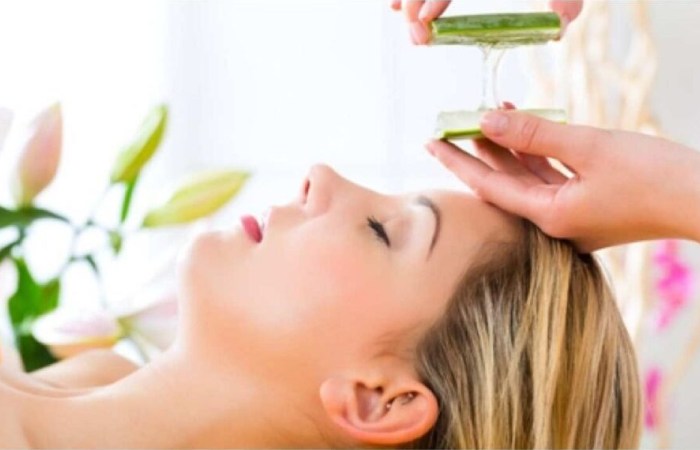
Aloe vera gel is known to soothe mild or moderate skin irritation conditions. Research shows that topical application of an aloe-based gel product may help alleviate skin conditions like acne and psoriasis. It has also been observed to reduce pain and speed up healing in case of skin burns.
- Wash the affected area.
- Gently pat dry with a clean towel.
- Then apply a liberal amount of aloe vera gel to the affected area.
The gel may take some time to dry and then you can continue on with your day. Make sure to use natural aloe vera or a product that uses pure hundred percent aloe vera to avoid contact with potential allergens.
FAQS
What are the warning signs that red spots may be serious?
Watch out for warning signs like spots spreading quickly, the development of blisters, or symptoms like fever, fatigue, or joint pain. These could mean something serious and require immediate medical attention.
Can stress cause tiny red spots or rashes?
Stress may exacerbate certain skin conditions like eczema or psoriasis, leading to red spots or rashes. However, stress is not known to cause skin rashes.
Are petechiae serious?
Petechiae can indicate serious conditions like infections or blood disorders. If you notice unexplained petechiae, it is important to seek medical advice promptly.
Are red spots signs of skin cancer?
Red spots can be benign, like cherry angiomas, but some types of skin cancer may present as red or pink spots. Therefore, it is best to have any new or changing spots evaluated by a dermatologist as soon as you notice them.
Are red spots on the skin contagious?
Generally, red spots like cherry angiomas or heat rash are not contagious. However, infections like chickenpox can cause contagious red spots.
Can sun exposure cause red spots on the skin?
Sun exposure can cause sunburn, leading to redness and sometimes red spots. Prolonged exposure without protection can also cause conditions like polymorphous light eruption that causes itchy red spots and small bumps on sun-exposed skin.
Can red spots on the skin be related to an underlying autoimmune condition?
Yes, autoimmune conditions like psoriasis and eczema may cause red spots or rashes as a result of inflammation affecting the skin.
Can a vitamin D deficiency cause red spots?
Vitamin D deficiency is not directly linked to red spots. However, it may affect skin health, potentially contributing to certain skin conditions indirectly.