

Sunburn Peeling is one of the most common causes of peeling skin. As the weather warms, lying out in the sun may be tempting. But your skin reacts to the sun’s UV rays and burns if you don’t use sunscreen or sunblock, which may lead to sunburn peeling. Sunburn is caused by various factors, including the distance of time spent in the sun, the time of day, the intensity of UV radiation, your skin type, and the use of any topical or internal treatment. Sunburn causes skin peeling and irritation and raises the risk of skin cancer. So what can be done to prevent it? Is there any way to get rid of it? We have answered everything in this article. Keep reading!
What Is Sunburn Skin Peeling?
The sun damages the skin cells in the epidermis after your skin is overexposed to the harmful UV rays. The immune system in your body, trying to protect you from harm, gets overwhelmed, resulting in skin peeling as the body tries to get rid of the damaged skin.
How Long Does It Take For Your Skin To Peel After a Sunburn?
Thankfully, sunburn skin peeling is a type of short-term skin damage. Your skin can start peeling from three days to a week after sunburn. In general, the peeling stops after the skin has fully recovered. The entire procedure could take up to two weeks.
James Stewart, an Evangelical blogger, shares his story of experiencing severe skin peeling from sunburn: “I not only had the world’s hottest and worst sunburn ever, but I also experienced the world’s longest period of skin peeling that anyone has ever gone through after being sunburned. I was literally peeling for months after that.”
Once the damage has been done, there is no way to prevent peeling completely. Moreover, extreme sunburn may also lead to sun poisoning. While the two conditions may appear similar, they are different. That’s why it is essential to understand the difference between sun poisoning vs. sunburn to ensure proper treatment. You can, however, aid in the maintenance and healing of the healthy skin underneath the sunburned tissues. How? Let’s have a look at the next section to find out!
How To Get Rid Of Sunburn Peeling Skin
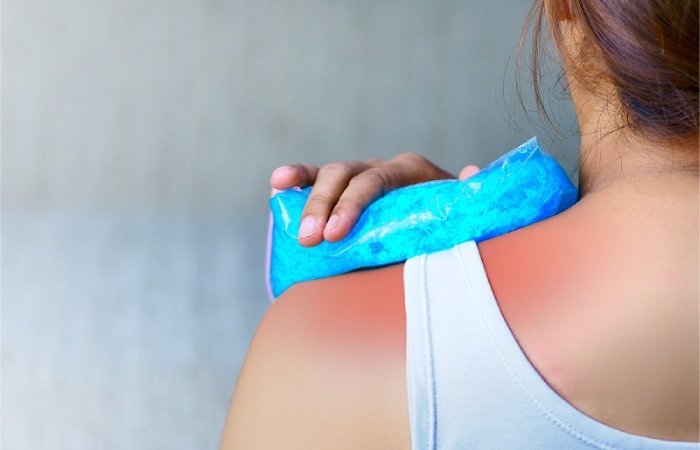
1. Cold Compress, Cold Showers, And Cool Baths
A cold compress or a cool shower/bath will not guarantee that the peeling will subside. However, the cool temperatures may provide temporary relief if your sunburn is especially hot, inflamed, and unpleasant.
You can make a cold compress at home by filling a thick cloth bag with ice cubes or wrapping ice cubes in a washcloth. Never apply ice directly to sunburned skin because the extreme cold may cause further harm, worsening peeling and delaying healing.
2. Wear Loose-Fitting Clothes
Sunburn and tight clothing make for an uncomfortable combination. Instead, wear loose, soft clothing to let your skin breathe and reduce the possibility of friction and further irritation.
3. Don’t Peel
One of the worst things you can do after a sunburn is peel off the excess skin. You risk causing an infection and exposing skin cells that are not ready to be exposed, which may result in scarring.
4. Take OTC Anti-Inflammatory Medication
Taking aspirin or ibuprofen, which are non-steroidal anti-inflammatory drugs, can help calm the skin and reduce some of the pain and swelling associated with sunburn. You can apply over-the-counter hydrocortisone cream to the affected areas (1).
You can also crush a few aspirin or ibuprofen tablets and mix them with water to make a paste that you can gently apply to the affected area.
Avoid petroleum or oil-based lotions and moisturisers until your skin stops peeling completely.
5. Stay Hydrated
It’s time to start working from the inside out, in addition to external treatments, to cure peeling skin.
Nothing is more beneficial to your skin than a big glass of water. Adequate hydration is essential for healthy skin, and it becomes even more necessary when your skin is damaged, such as after a sunburn.
6. Other Home Remedies
There is not much scientific evidence to support using a few home remedies for sunburn. However, they are safe to use unless you are sensitive or allergic to them.
You can try:
- Applying menthol shaving cream to the skin.
- Adding baking soda to a cool bath.
- Applying honey to the affected area.
- Using apple cider vinegar for sunburn
- Placing cool, damp tea bags or cucumber slices on the affected area.
How To Prevent Sunburn Peeling?
Apply sunscreen that contains SPF 30 or more every two hours.
Stay out of the sun as much as possible.
- Keep as much skin covered as possible with long-sleeved clothes, hats, and light scarves.
- Wear sunglasses and a wide-brimmed hat when stepping out.
- Drink plenty of fluids to prevent dehydration.
- Avoid tanning beds at all costs.
Matthew W. Turcotte, a pop culture blogger, talks about using sunscreen of at least SPF 50 for recovering from terrible sunburns in one of his blog posts. “Believe me, I know all about blistering sunburns. I acquired quite a few of them in my early childhood that were skin-peeling awfulness. After you experience a couple of them, you definitely don’t want to experience another. And, I also have learned that applying it only once a day is not exactly how you want to go unless you’re going to be outside for 30 minutes or an hour. Myself? I usually reapply sunscreen during breaks and my lunch hour (ii),” he says.
A 2018 online survey of 3,106 participants was conducted to determine the contexts of sunburns in American adults. 50.7% of participants reported being outdoors for 1-3 hours, and 38.9% were outdoors for 3-6 hours. The most commonly stated context was swimming, at 32.5%, while outdoor work was at 26.2%, and vacationing was at 20.7%. Only 5.5% intended to get a tan. A total of 79.6% reported having used sun protection.
What Are The Stages Of Sunburn Healing?
Initial Redness: The first stage involves tenderness and inflammation of the affected skin, often accompanied by warmth and pain. It can occur within a few hours after sun exposure.
- Peeling and Blistering: In some cases, sunburn may also progress to blistering. These blisters can be filled with fluid and cause the affected skin to peel.
- Healing and Repair: With time, the body begins to repair damaged skin. The skin regenerates, and new, healthier skin cells replace the damaged ones.
- Itchiness and Flaking: After the initial healing, the sunburned area might become itchy as the damaged skin flakes off.
While the skin returns to its normal state with time, it may remain sensitive to sunlight for a while.
Infographic: 7 Ways To Get Relief From Sunburn Skin Peeling
After sunburn, your sun-damaged skin may start peeling off, giving way to new skin. It’s important not to pick at the peeling skin and let it naturally shed. Avoid applying ice, pulling, or exfoliating your skin as this only causes more harm. Use the simple methods in the infographic below to relieve discomfort and provide soothing benefits.
Something is wrong with the infographic shortcode. Please verify the shortcode syntax.
The Bottom Line
Skin peeling is a natural part of the healing process after sunburn. Simple home remedies—such as aloe vera and cold compresses—can help reduce inflammation, itching, and redness, speed up healing, and reduce the degree and duration of peeling.
Sunburn peeling seldom requires medical treatment. But if you develop symptoms such as nausea, fever, or severe blistering, or if you notice signs of infection, consult a doctor immediately.
FAQS
Does peeling sunburn turn into a tan?
No, peeling sunburn may make your tan lighter and cause it to fade faster. However, to avoid uneven patches, avoid using tanning products while your skin is peeling.
Is lotion or aloe better for sunburn?
Both lotion and aloe vera are good for sunburn. You can use a lotion or aloe gel to relieve inflammation and hydrate your skin (4). Avoid petroleum-based lotions until your skin is completely healed.
Is coconut oil good for sunburn?
Coconut oil may help hydrate the skin and prevent dryness from sunburn (5). However, you should apply coconut oil after your skin has healed.
Is Vicks VapoRub good for sunburn?
Anecdotal evidence suggests that Vicks VapoRub may provide relief from sunburn. However, there is no scientific evidence to prove this.